Design
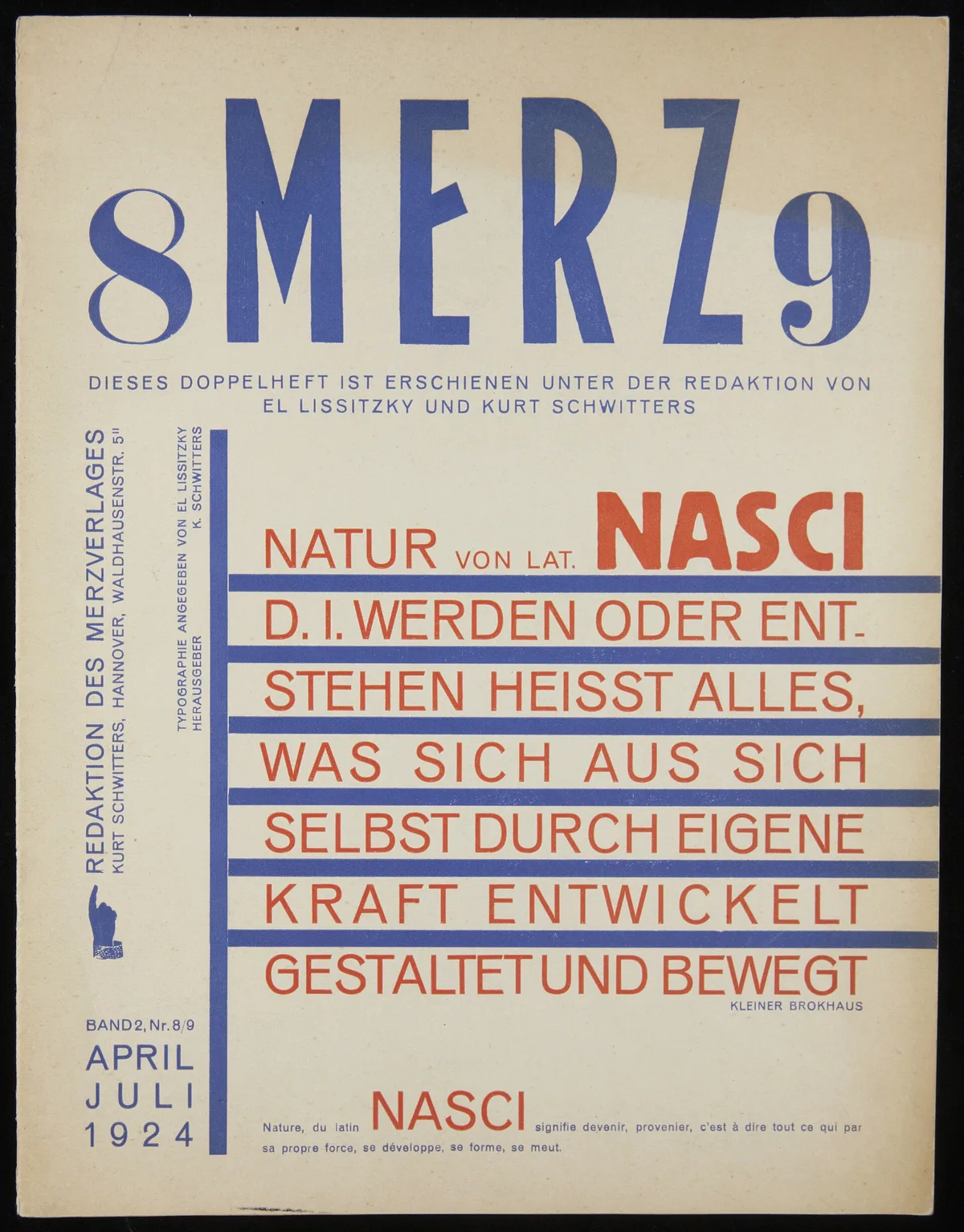
How Magazine Type Layouts Are Actually Made, From Grid to Printed Spread
Grids, type sizes, and quiet negotiations decide what a reader sees before reading a single word.

A good fashion newsletter does the filtering for you. The trick is knowing which kind of filtering you actually need.
Price signals many things — durability is only one of them, and rarely the loudest.
How clothes are built — and which builds last.
Grids, type sizes, and quiet negotiations decide what a reader sees before reading a single word.
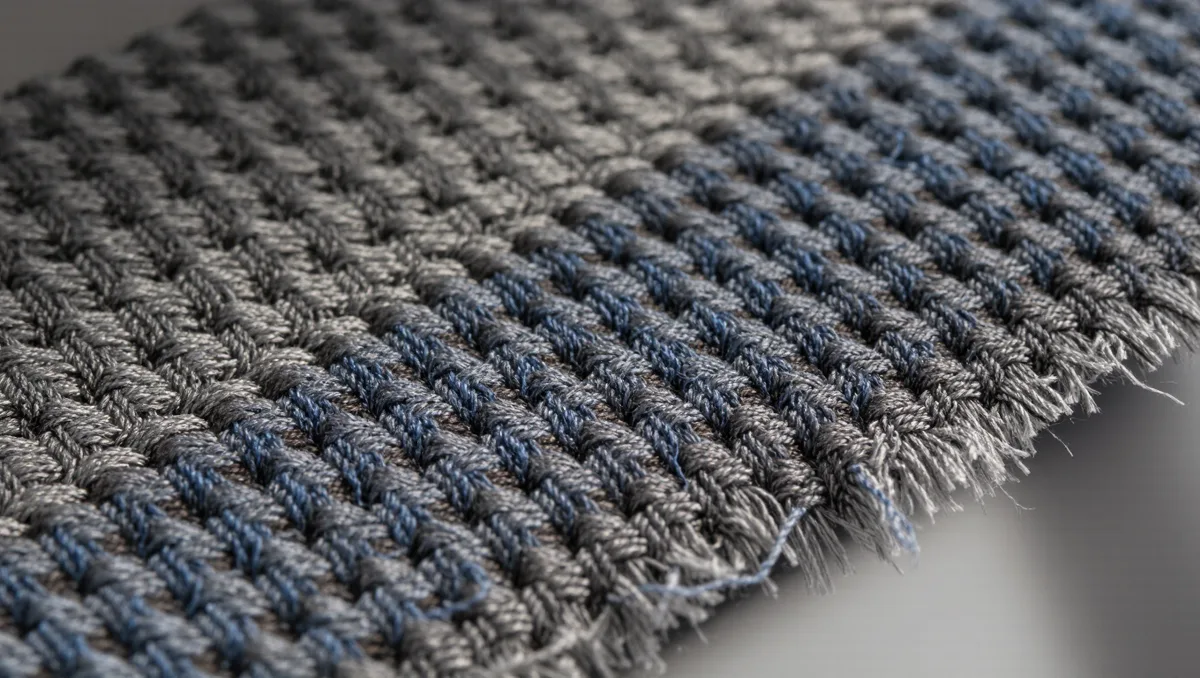
A preview capsule built from factory offcuts shows what a recycled-cotton program looks like before the pricing and scale are settled.
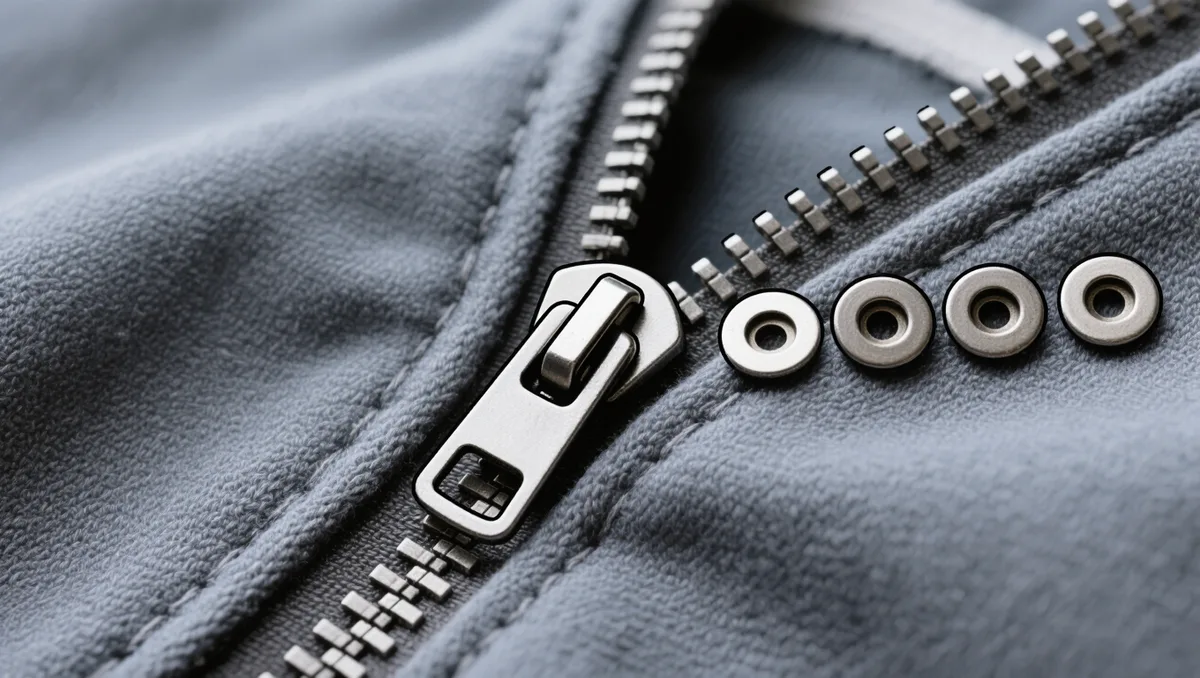
How designers weigh garment type, cost, durability, accessibility, and looks when picking garment closures.
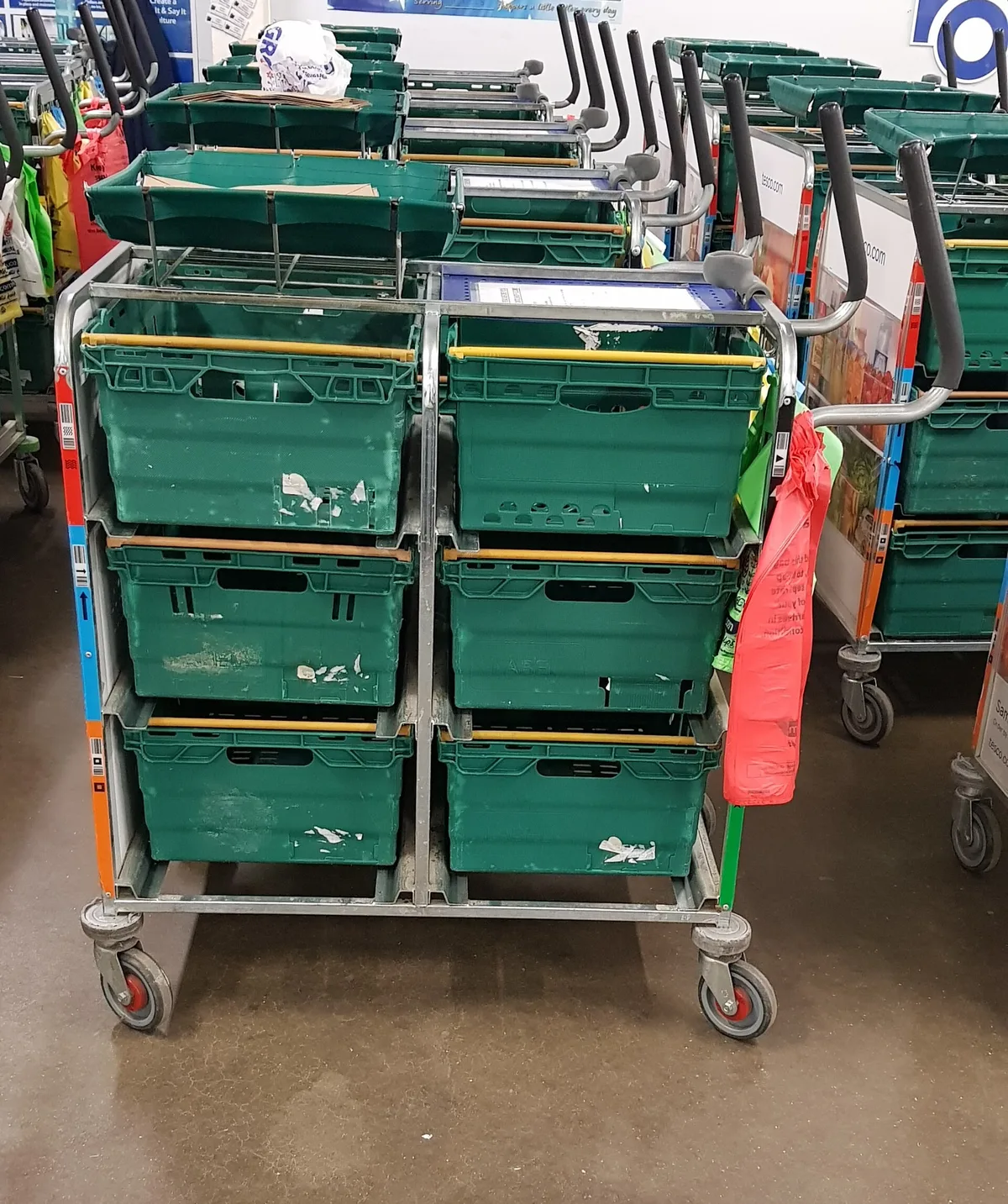
Every tap of the buy button starts a small industrial process. Here is how the pick-pack-ship pipeline works, and where each step adds cost to an order.
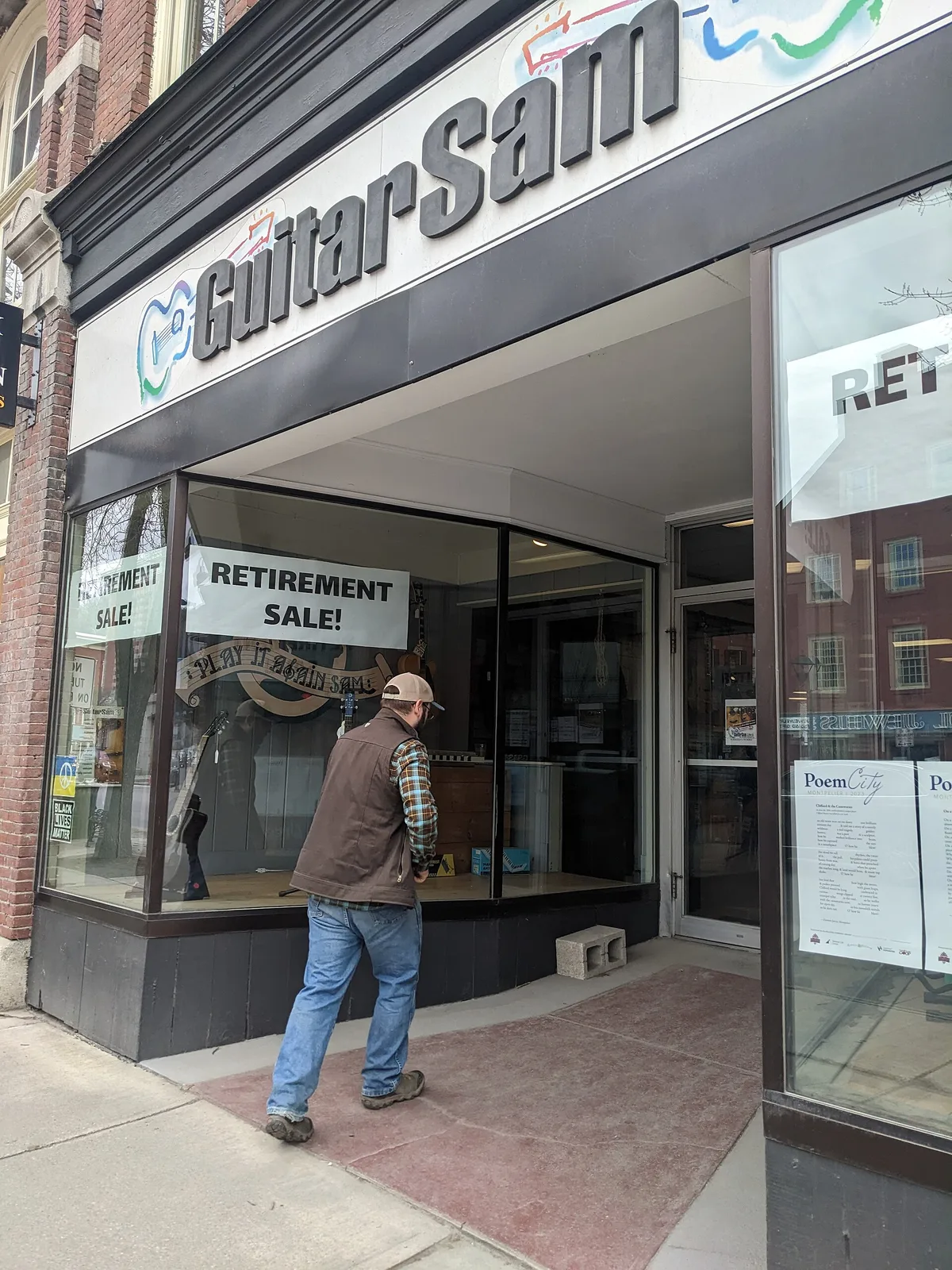
Store music is never an accident. Research on background music shows how tempo, volume, and mood quietly shape how long you browse and how much you spend.
Inventory cycles, markdown calendars and the quiet logic that decides when a rack gets refilled.
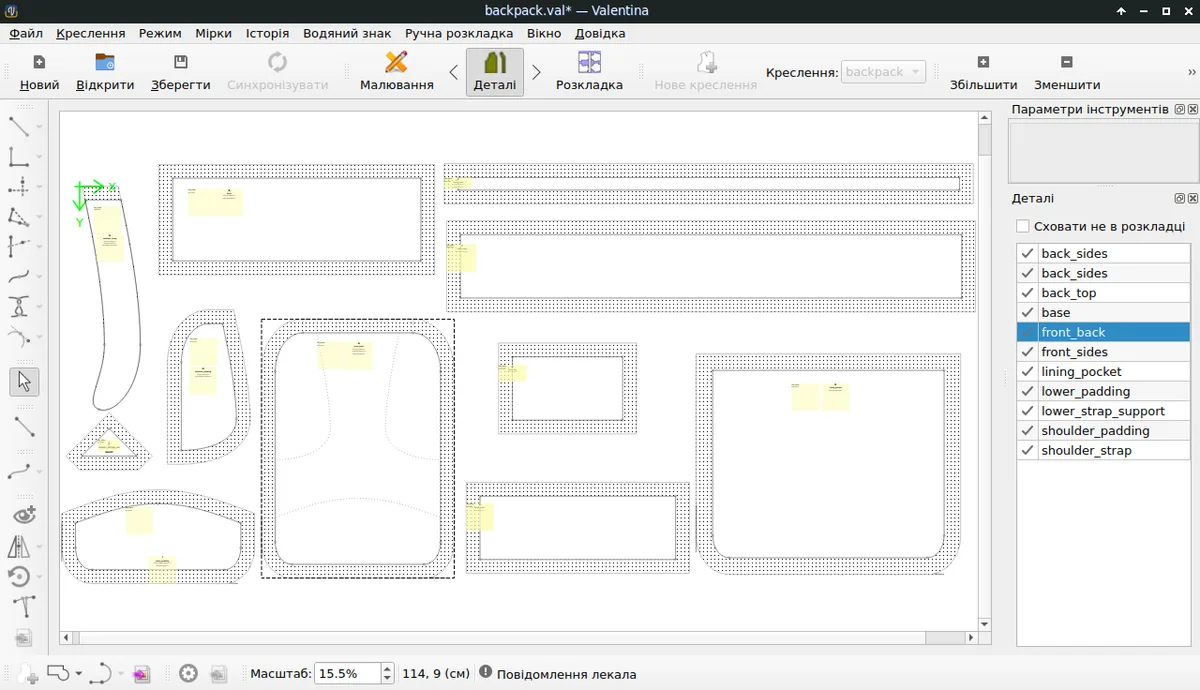
Pattern making has moved from paper tables to CAD software. Speed and grading improved, while part of the hand craft quietly faded.
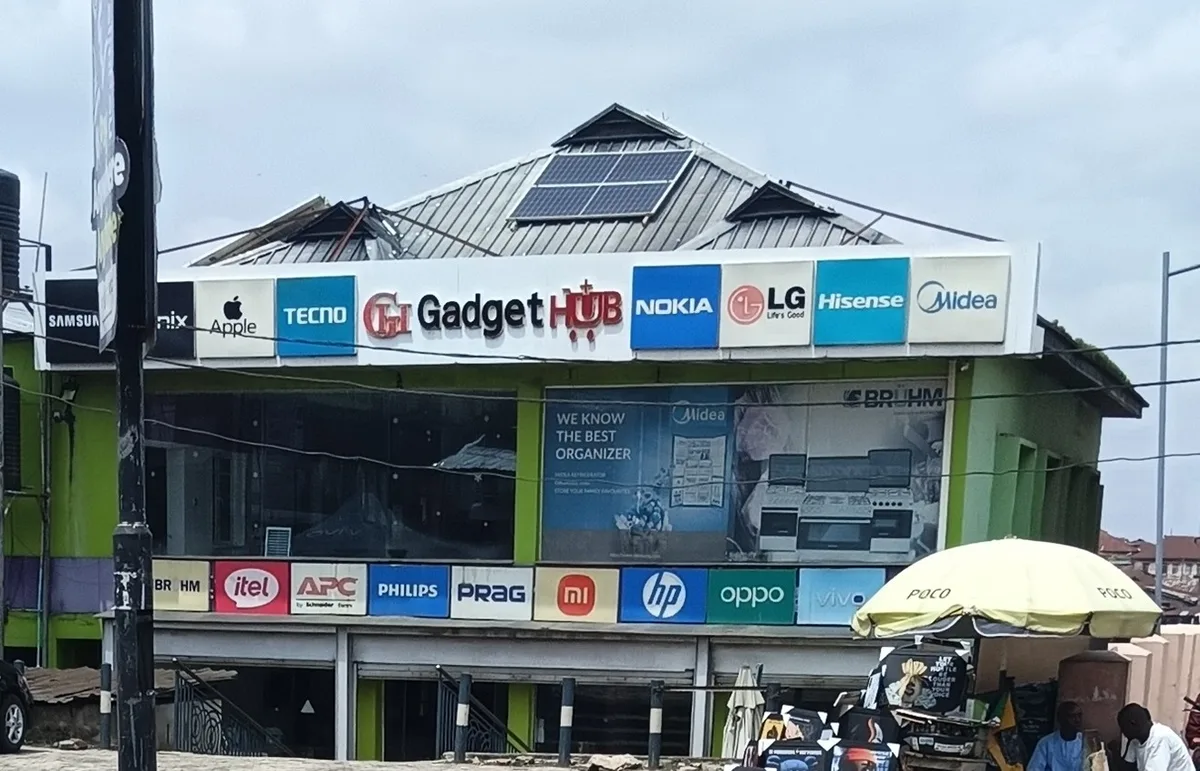
Smart mirrors, body scanners and fabric recyclers are moving fashion tech out of the factory and into the fitting room.
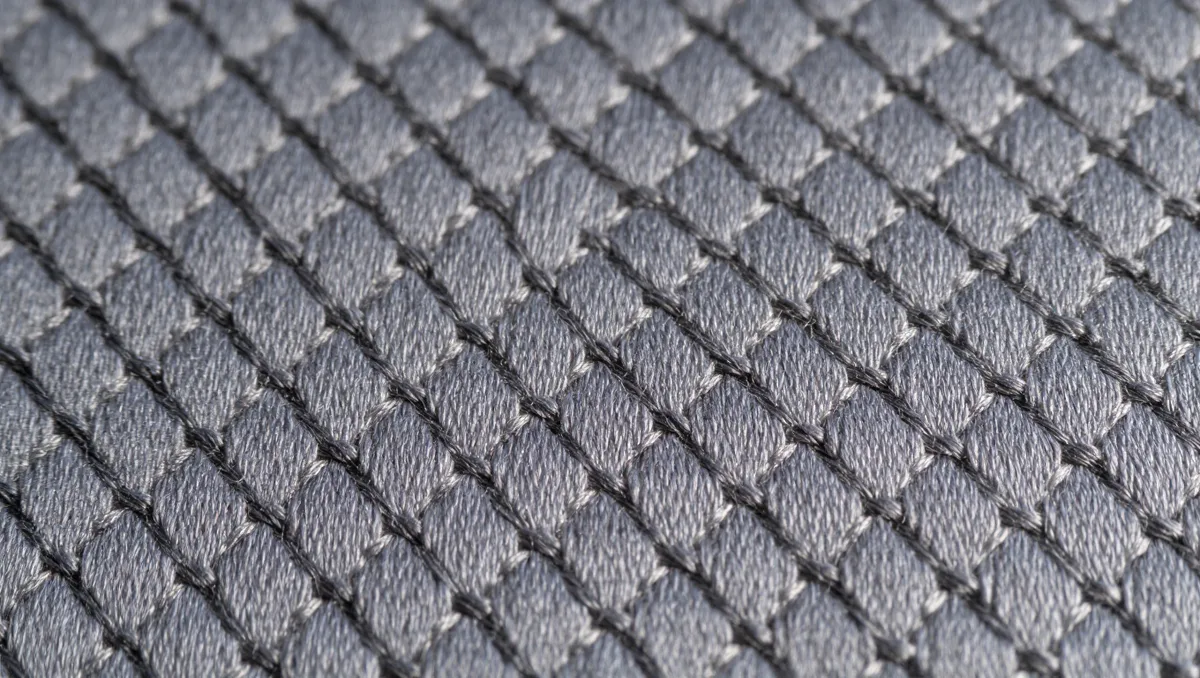
A garment made of pixels never touches a body. That changes what design, ownership, and getting dressed mean.
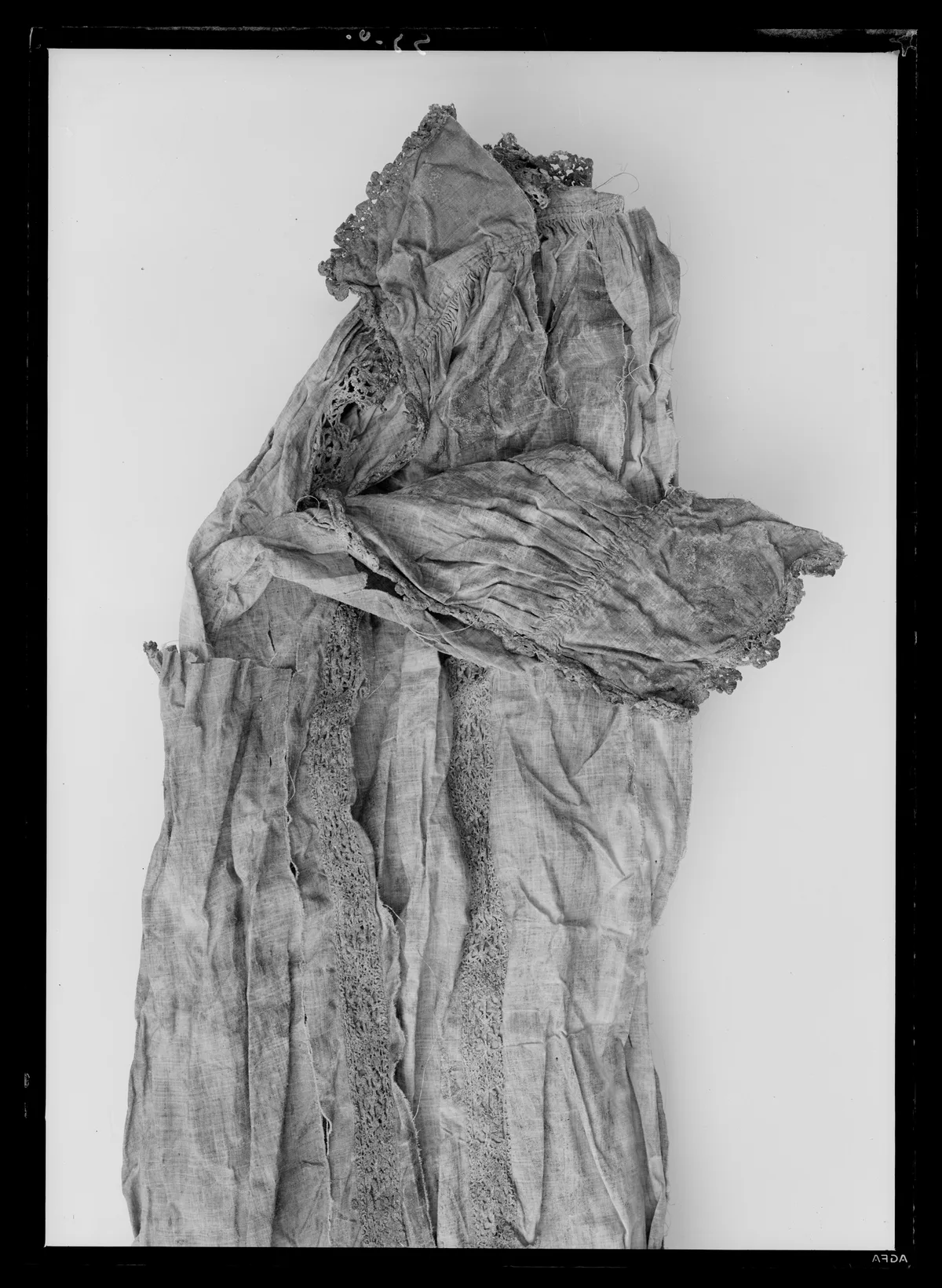
Clothes shrink because finishing leaves fabric under tension, washing lets it relax, wool felts, and heat locks the change in. Pre-shrinking gets there first.
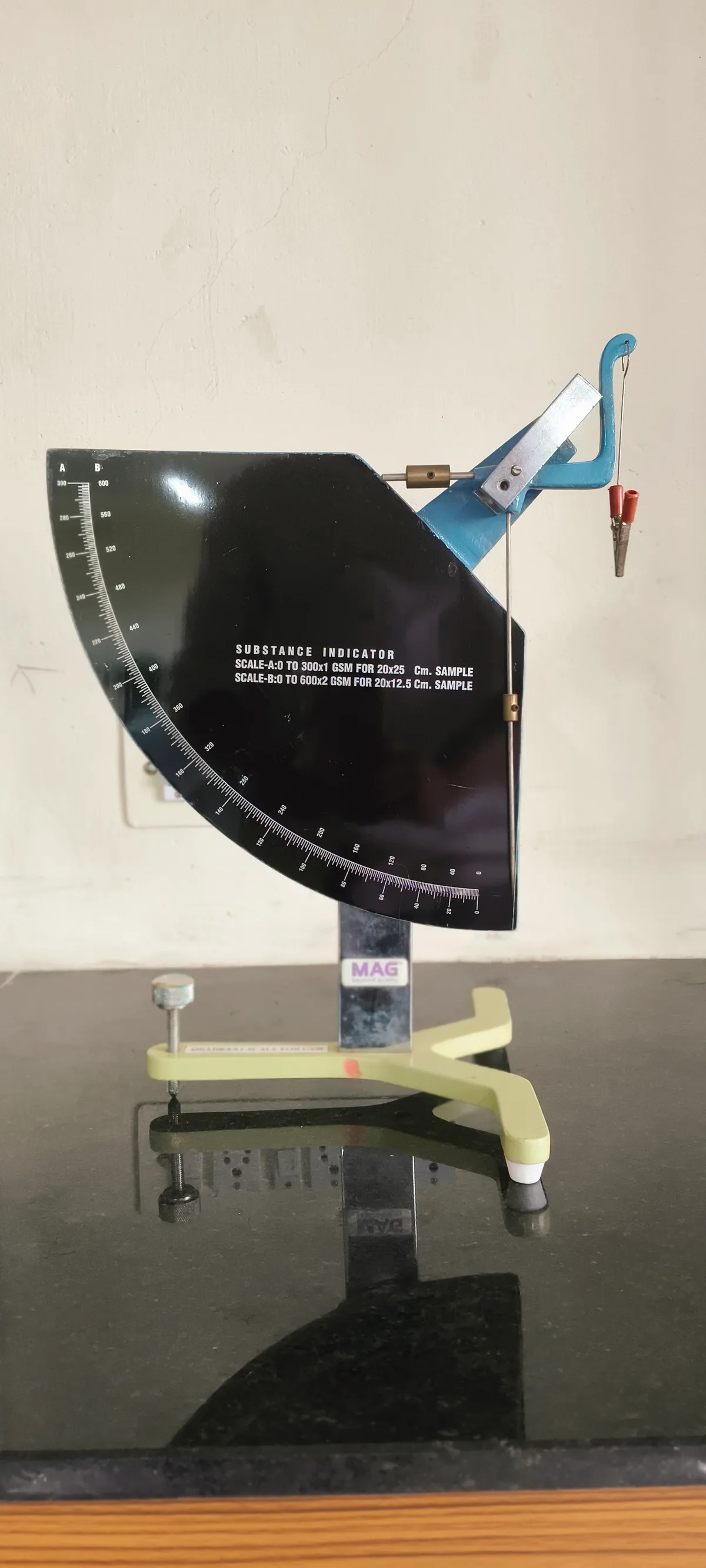
Fabric weight is measured in grams per square metre, shortened to GSM. The number signals thickness, density, strength, cost, and how a garment will wear.

Voice, curation, and cadence decide whether a fashion digest survives its third issue.
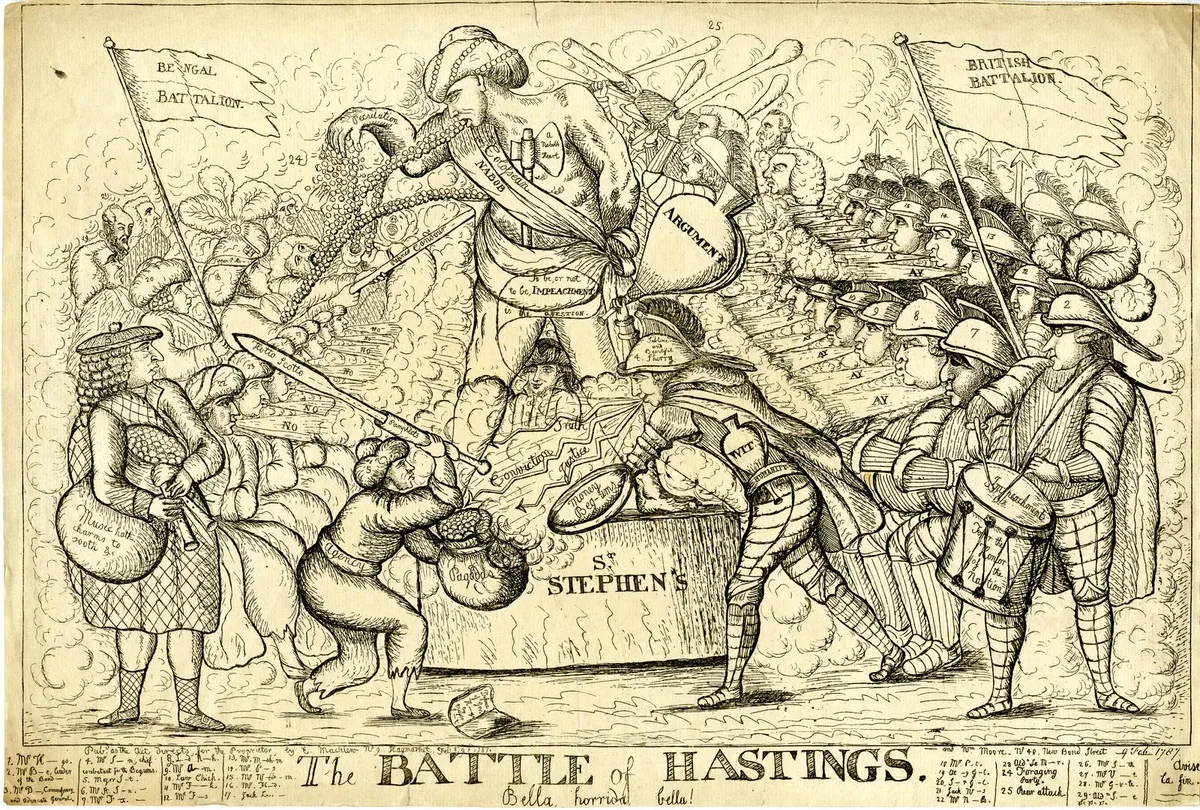
A runway seat is a seating chart of the industry itself — and the invitation tells you which list you're on.

Extended producer responsibility for clothing is set to land in every member state — and the fee schedule, not the principle, is where the margin moves.
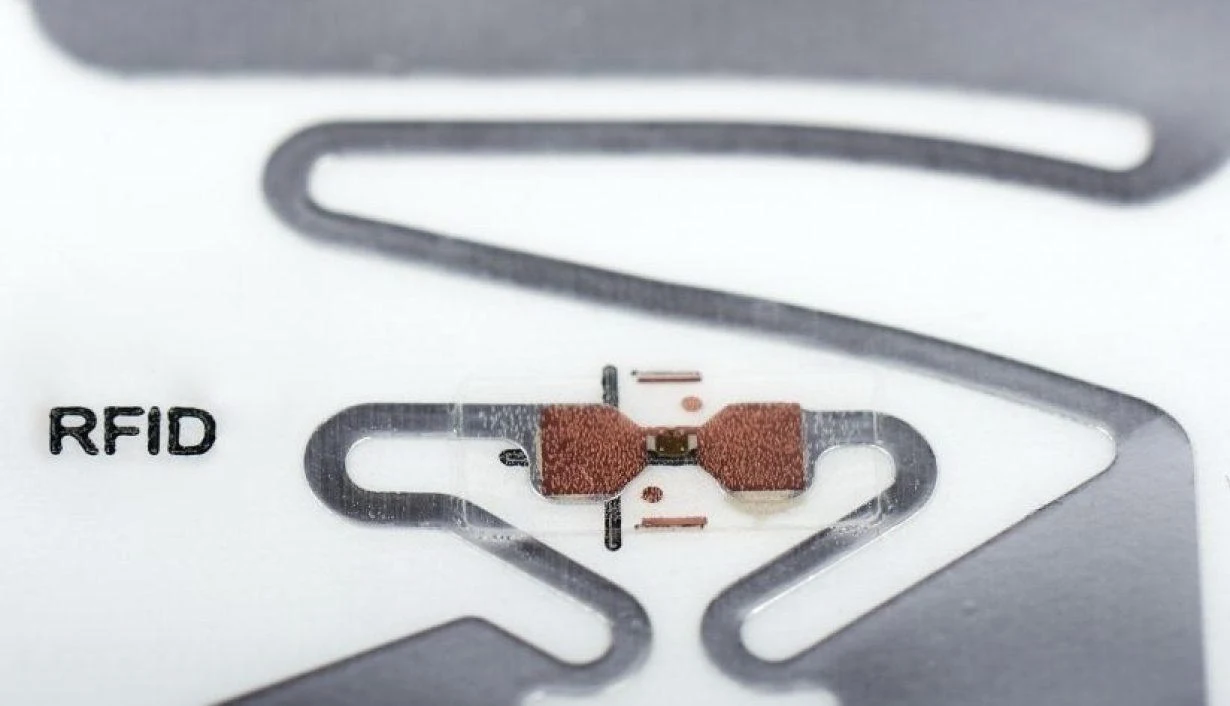
Item-level RFID tagging is a system that embeds a passive radio chip in a garment's price ticket or woven label so a reader can identify that single unit without a hand scan of its barcode.
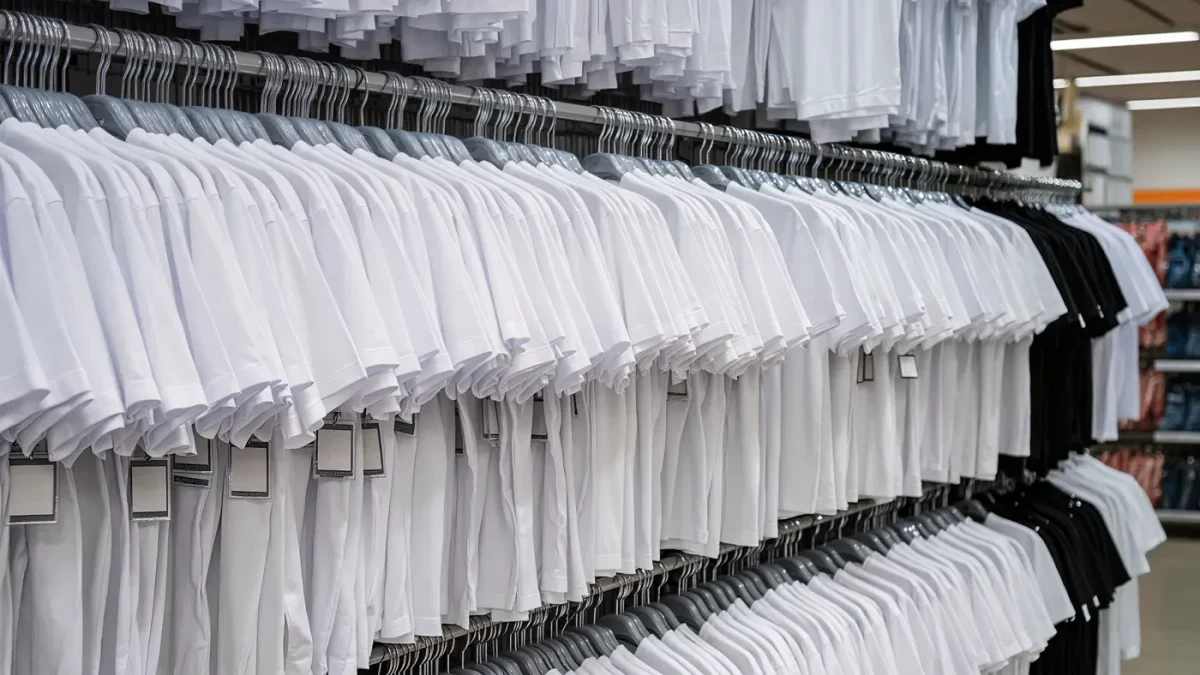
Cambodia's 2026 garment wage rose $2 while union demands ran $22 higher; Bangladesh's base held flat. The price floor above them has not moved either.

Fashion's taste gate is less a single arbiter than a stack of decisions about what gets published, where it sits, and how much space it takes.

Concours judging has always measured the machine. A new award at Salon Privé measures the person standing next to it.

A 17-piece charm and ring collection borrows the language of makeup — and says a lot about where Pandora's design energy comes from now.
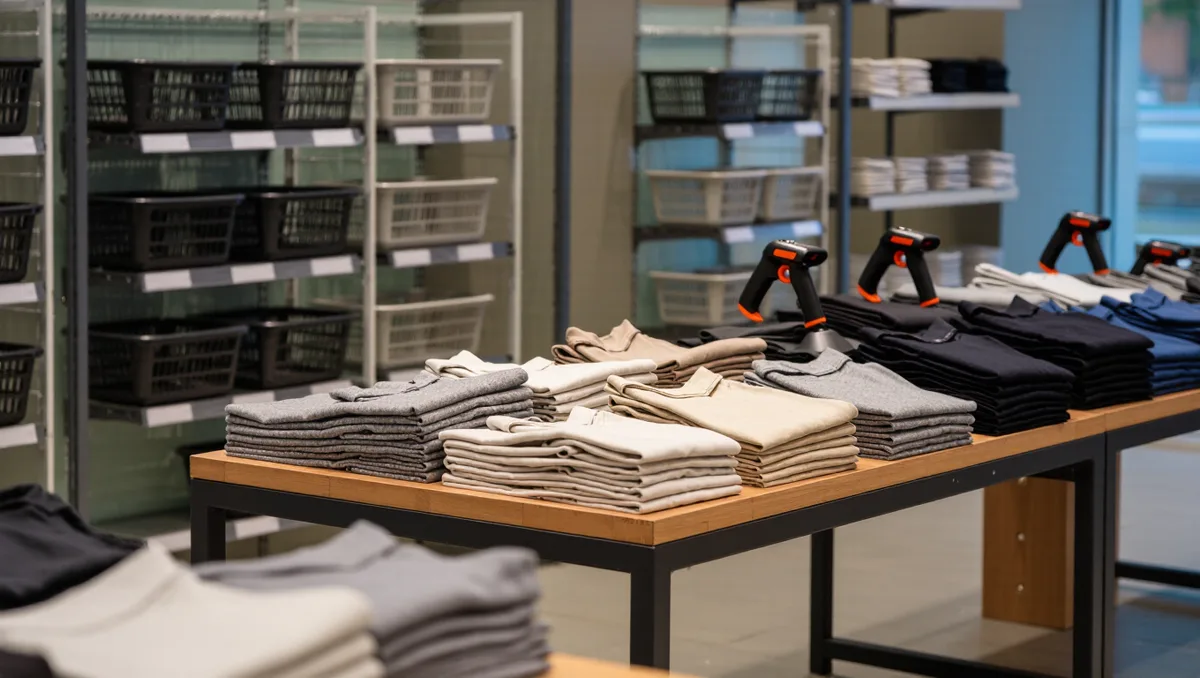
The ladder still exists, but the rungs have moved. Here is how the paths from selling to buying, merchandising, and store leadership actually work.

One SKU, three shelves, and a reconciliation problem that never fully goes away.
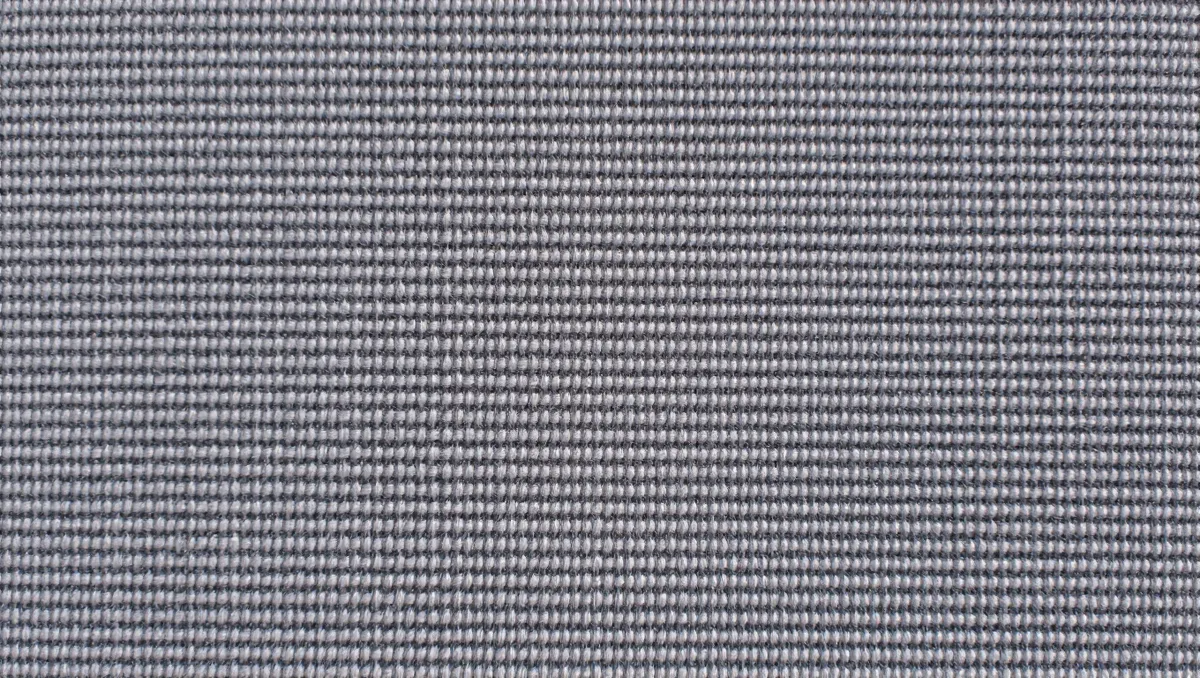
Warp, weft and bias behave like three different materials. Cutting a pattern off-grain quietly undoes the fit a designer drew.
A planogram is a retailer's diagram of every facing, shelf level and sequence in a fixture — and the reason two stores in the same chain look identical.

A tag that costs dimes and reads through cardboard rewrote inventory accuracy — the system shift, from the GS1 standard to Walmart's mandates.