Design
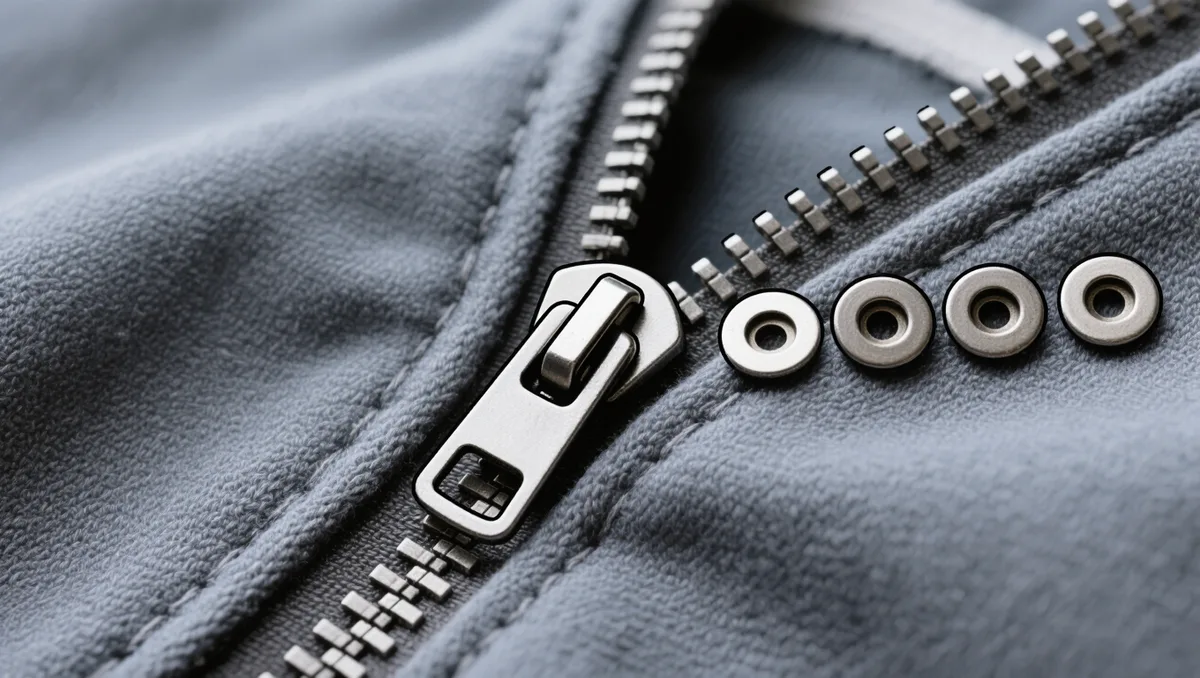
Choosing Between Zippers, Buttons, and Snaps: A Closure Decision Guide
How designers weigh garment type, cost, durability, accessibility, and looks when picking garment closures.
Design covers the work that happens before production: blocks, grading, seam selection, interfacing, closures and the sample rounds that fix a fit. Articles explain why a shoulder sits cleanly or a hem twists. For designers, pattern cutters and readers who inspect construction in stores.
How designers weigh garment type, cost, durability, accessibility, and looks when picking garment closures.
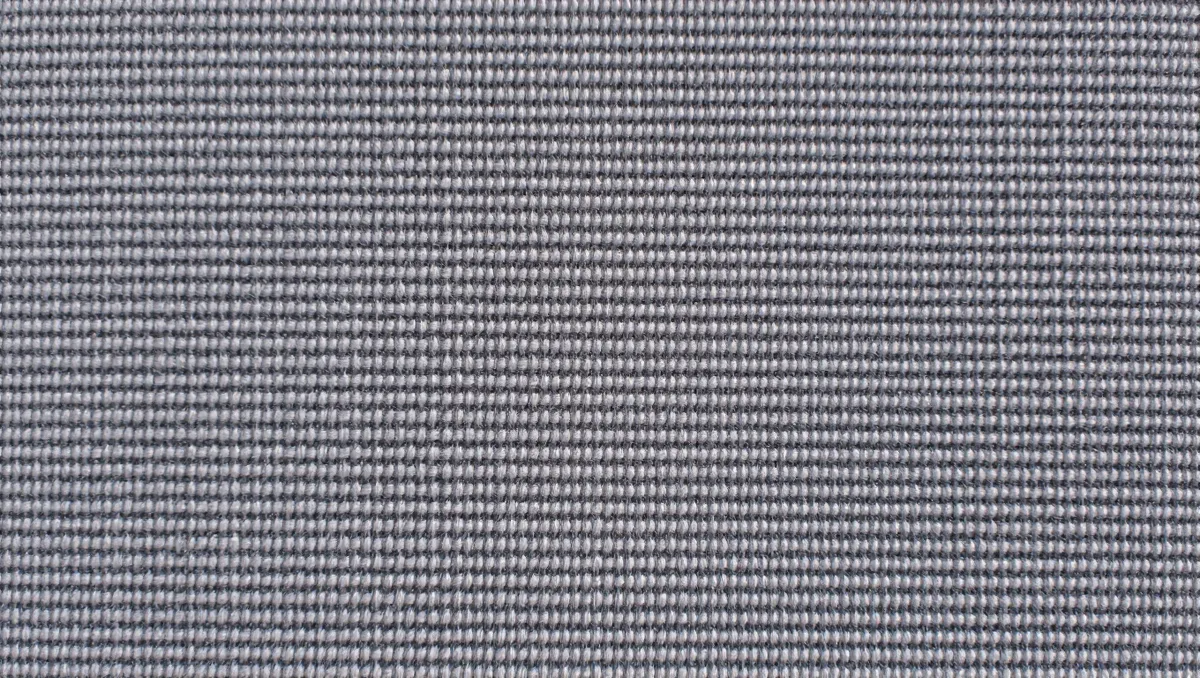
Warp, weft and bias behave like three different materials. Cutting a pattern off-grain quietly undoes the fit a designer drew.
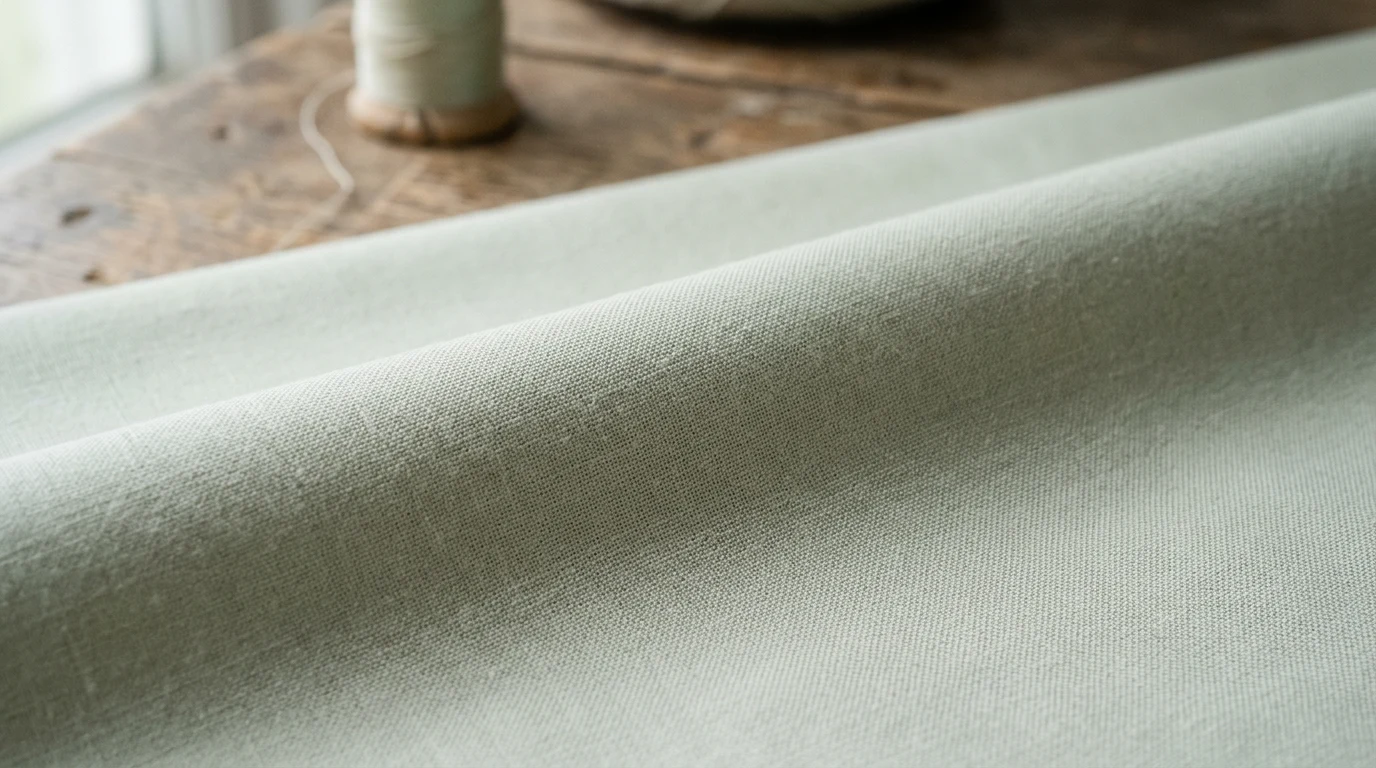
Wrinkle resistance in cotton is achieved by cross-linking — a resin finishing process in which a chemical, historically a formaldehyde-releasing agent, forms covalent bonds between neighboring cellulose molecules so…
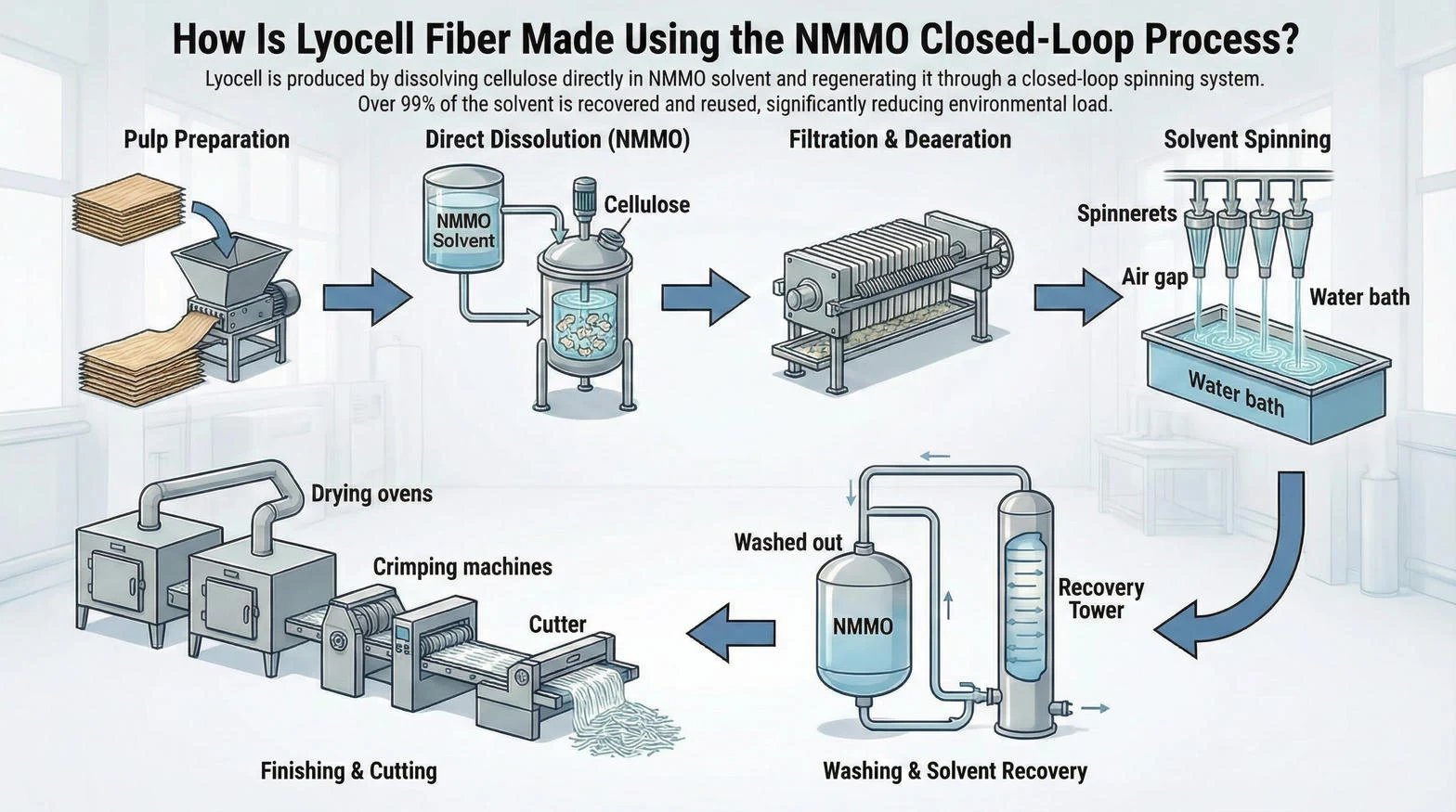
8% of that solvent is recovered and put back into the next production cycle, according to the company's own technology documentation .
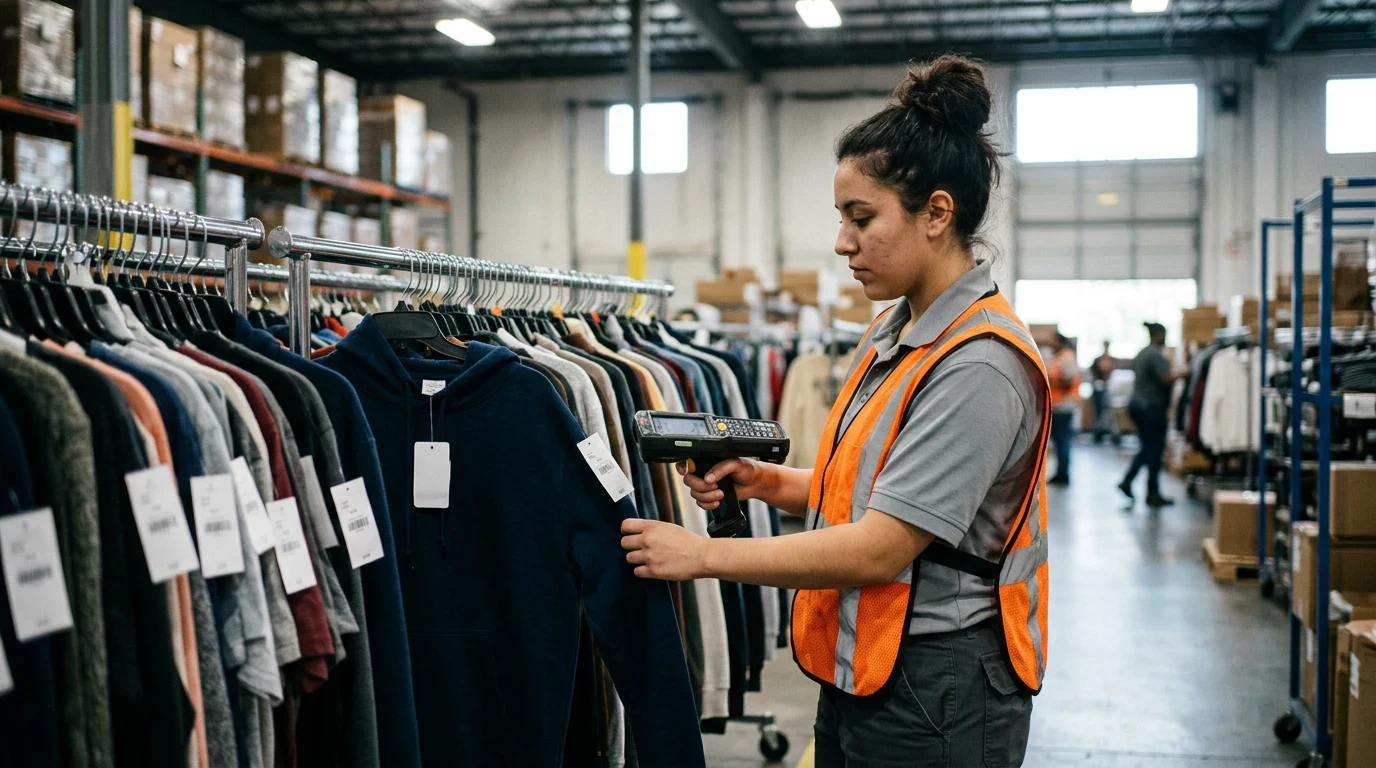
A decade-old barcode problem is being solved chip by chip, one hangtag at a time.
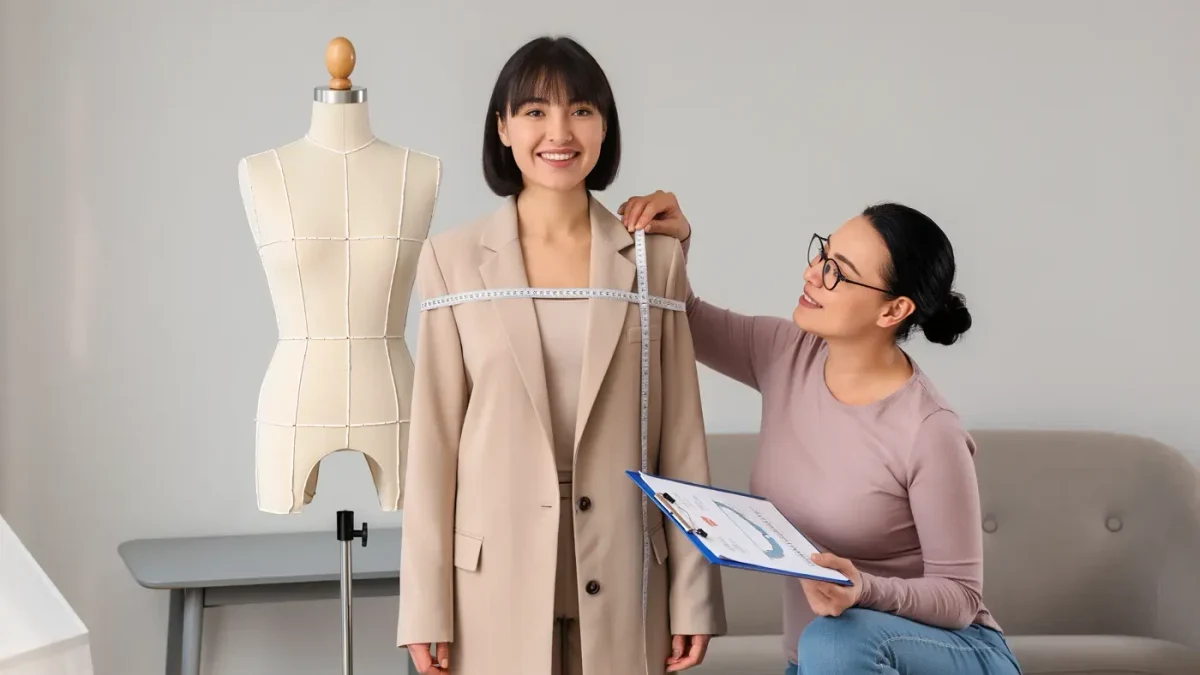
Fit is body measurement plus ease, and the numbers chosen for that second term — often under five centimeters, sometimes negative — encode everything a garment intends to do.