Every garment starts as a pattern. In sewing and fashion design, a pattern is the template from which the parts of a garment are traced onto fabric before it is cut and assembled, per the standard reference on pattern making. For most of the last century, that template lived on paper. Today it lives on a screen, drawn in computer-aided design, better known as CAD.
The change looks like a simple tool swap. It is not. It moved the trade from rulers and cardboard to files and licenses, and it changed who does the work. It also changed how fast a style reaches the factory, and which skills a junior pattern maker actually needs. Those consequences are easy to miss, because the finished pattern still looks like a finished pattern. For related coverage, see Machine Vision Now Inspects Fabric at Full Speed, and It Still Misses Like a Human.
What a Pattern Actually Is
A pattern is a shape plan. Every panel of a garment gets its own piece: body, sleeve, collar, pocket. Patterns are usually made of paper, and studios that reuse a template upgrade to sturdier board so it survives repeated handling. The piece carries more than shape. It carries seam lines, notches, and grain direction, the quiet instructions a cutting room follows.
Two classic methods built these templates. The flat pattern method drafts the entire shape on a flat surface from measurements, using rulers, curves, and straight-edges. Draping works the other way round: fabric is pinned on a dress form, and the outline is then transferred onto a paper pattern, per the same reference.
How the Table Became a Screen
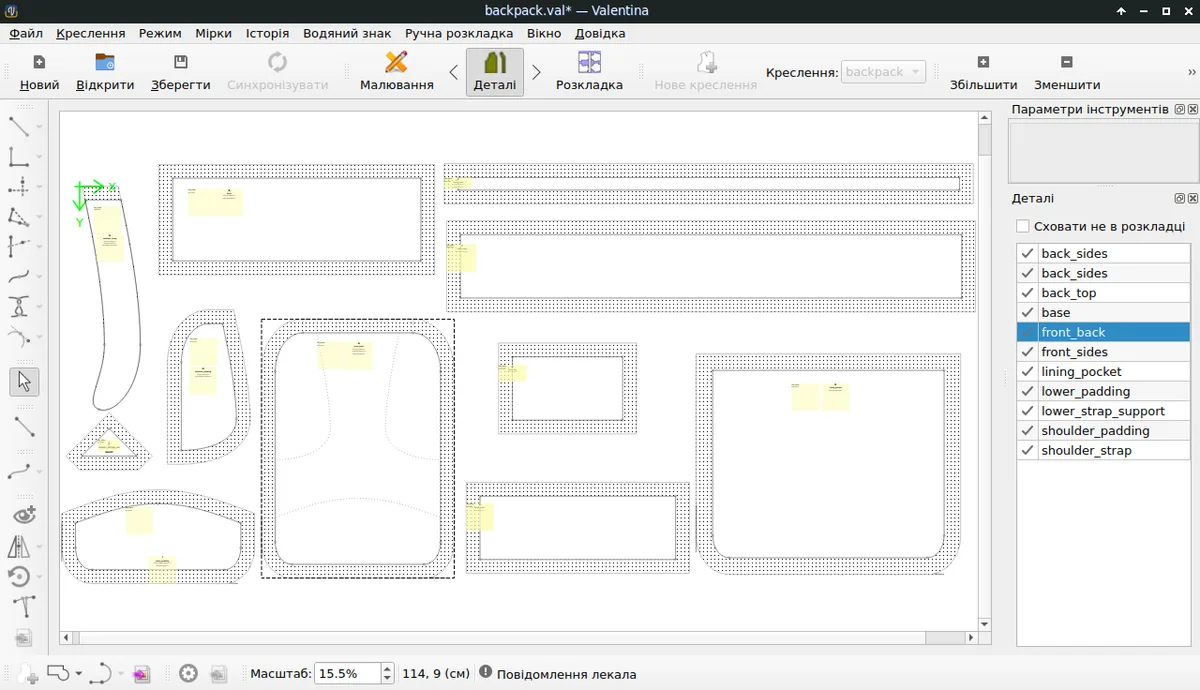
CAD is the use of computers to aid the creation, modification, analysis, or optimization of a design, according to the reference on the technology. In a clothing studio that means the pattern lives as a file. Lines are geometry. Curves hold their shape when resized. A sleeve can be checked against an armhole on screen before any cloth is cut.
The paper past did not vanish overnight. Studios first digitized existing templates so they could archive them and send them to vendors. The digitizing tablet was the old standard for that job, and scanners and camera systems took over later, per the pattern making reference. Grading followed the same path. Patternmakers cut a first size, then grade it to the desired sizes with the aid of CAD software, per that reference.
What Got Faster
The gains are easy to list. Per the CAD reference, the software exists to increase the productivity of the designer, improve the quality of design, improve communications through documentation, and to create a database for manufacturing. In practice that means fewer redrafts. A change to a pocket curve is a file edit, not a fresh sheet of paper. The same file then feeds the size run and the cutting room. Documentation travels with the design, so a vendor on another continent reads the same version the studio sees.
Speed also compounds across a collection. A studio that maintains its blocks as files can develop new styles from proven bases instead of starting from blank paper each season. The block becomes an asset, not a drawer of card.
What Pattern Makers Lost
The losses are quieter than the gains. A table covered in paper told a story. Corrections, tape, and pencil marks showed how a block earned its shape. A clean file hides that history, and a newcomer can miss why a line sits where it sits. Craft judgment also lives differently now. Where a maker once drew a curve by hand and checked it by eye, software offers a number. Neither way is wrong, but the hand skills take years to build, and fewer juniors serve that apprenticeship. Studios still need people who understand how a flat shape becomes a body. The tools changed faster than the training did. We covered a connected angle in PLM Software Tracks a Garment From Sketch to Invoice, Line by Auditable Line.
Conclusion: Faster Tables, Fewer Hands
CAD did not change what a pattern is. It is still the template the cut depends on, and a bad template still ruins good cloth. What changed is pace and reach: a sketch becomes a production file in hours, and the file grades itself across sizes. The trade gained speed and lost part of its paper craft. The studios that do well treat software as the tool and fit as the skill, because the template still rules the cut.