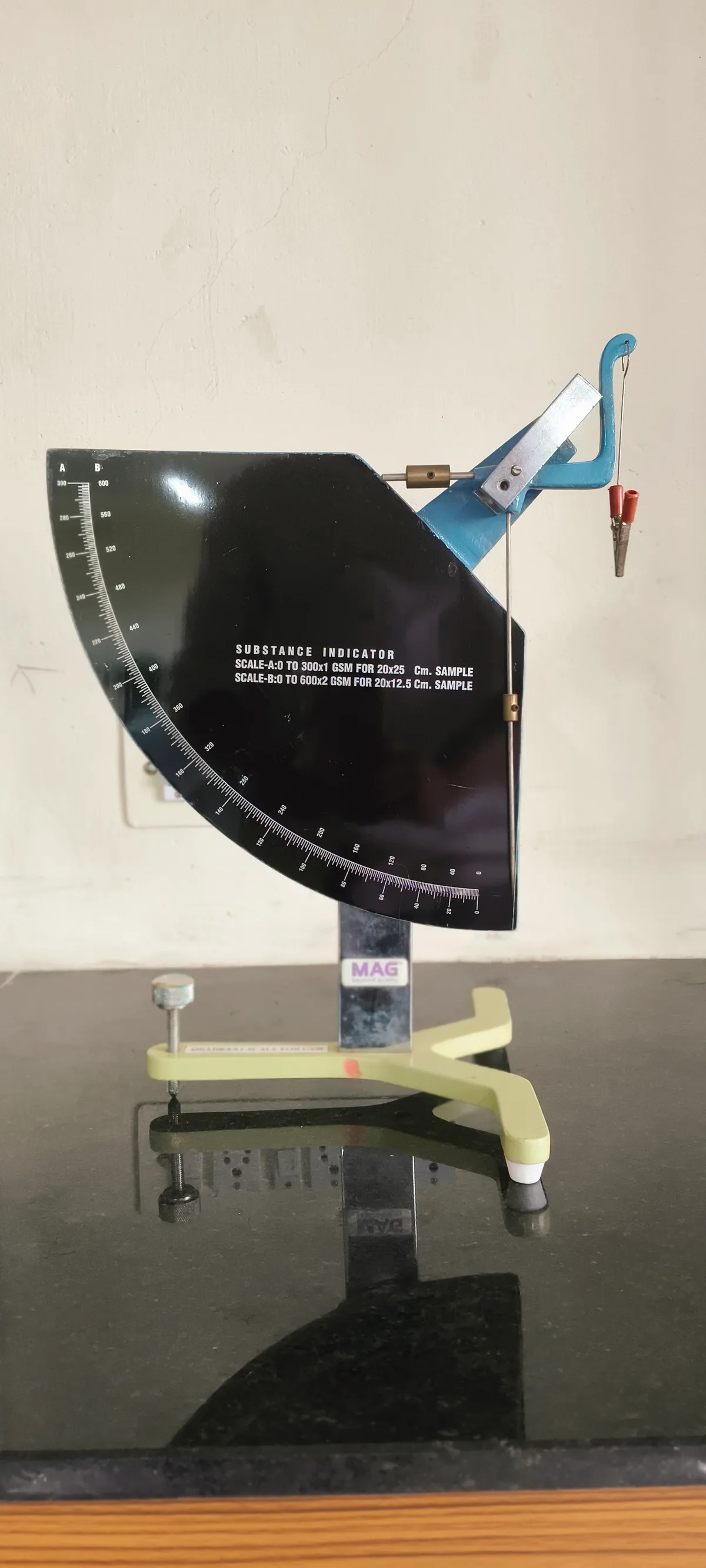
Fabric weight has one standard measure: grams per square metre, usually written gsm or GSM. It is the weight of one square metre of cloth, and it is a critical parameter for any textile product, per the reference table of textile units. Two shirts can share a size, a color, and a price, and still wear like different garments. The number on the spec sheet is often the reason.
The idea is simple once seen. Take one square metre of the cloth and weigh it. The grams on the scale are the gsm. Heavier cloth returns a bigger number, lighter cloth a smaller one. The skill is knowing what that number changes next, because it reaches further than most buyers expect.
What the Number Actually Measures
GSM weighs area, not length. The same reference table also tracks yarn units such as tex, which counts grams per thousand metres of yarn, per the source. Those numbers describe thread. GSM describes the finished sheet. The two are related but not the same, which is why two fabrics from similar yarns can sit far apart on weight.
Fabric weight may affect many physical properties of the fabric, such as density, thickness and strength, per the reference. That list explains the number's power. Weight acts as a proxy for substance. Before anyone touches the cloth, the figure already suggests how it will hang, how much light it blocks, and how much rough treatment it survives.
The T-Shirt Test
A cheap T-shirt offers the easiest anchor. Its fabric typically sits near 150 gsm, per the measurement reference. Below that level, a tee grows sheer and light in the hand. Above it, the shirt gains body, opacity, and durability, and the price usually follows. Neither end is good or bad in itself. A gauzy summer tee and a heavy workwear tee are different products, and the gsm number tells a buyer which one is on the hanger before the first wash proves it.
Why the Same Garment Feels Different
Weight changes more than feel. The reference makes the point plainly: the gsm of fabric helps in determining the consumption, cost and application. Consumption comes first. Heavier cloth puts more fiber into every cut panel, so the same style consumes more fabric and costs more to make. Application follows. Weight is one reason a shirt dress, a sweatshirt, and a coat never share a spec, even when the fiber is identical. A brand that swaps a fabric for a lighter one at the same gsm range keeps the silhouette but changes the drape, the warmth, and the cost in one move. This connects to our earlier piece, What a Factory Move Announcement Actually Tells a Repeat Buyer.
How to Use the Number
Treat gsm as a comparison tool, not a grade. Compare within one category, because a sweatshirt and a shirting fabric live at different weights by design. Ask for the figure when a product page hides it. Weigh words like thick or heavyweight against the spec, since only one of the two has a definition. Brands that publish gsm make their cloth easier to judge. Brands that do not leave the job to the hand, weighing cloth on a rail the old way. For related coverage, see Why a Repeat Purchase Suddenly Feels Different: The Silent Fabric Switch.
One caution belongs here. Weight is a measurement, not a verdict on quality. Finishing, yarn, and construction do the rest. A heavy fabric can be poorly made, and a light one can be excellent. The number narrows the field; it does not crown a winner.
Conclusion: One Number, Real Consequences
GSM looks like a dry spec, and it is one of the few honest ones in fashion. It has a definition, not a marketing department. It predicts thickness, density, and strength, and it shapes what a garment costs and what it is for. Learn the usual range for the clothes in a given drawer, and the number starts doing quiet work: fewer surprises in the wash, sharper comparisons between labels, and a clearer sense of what a price actually buys.