Topic
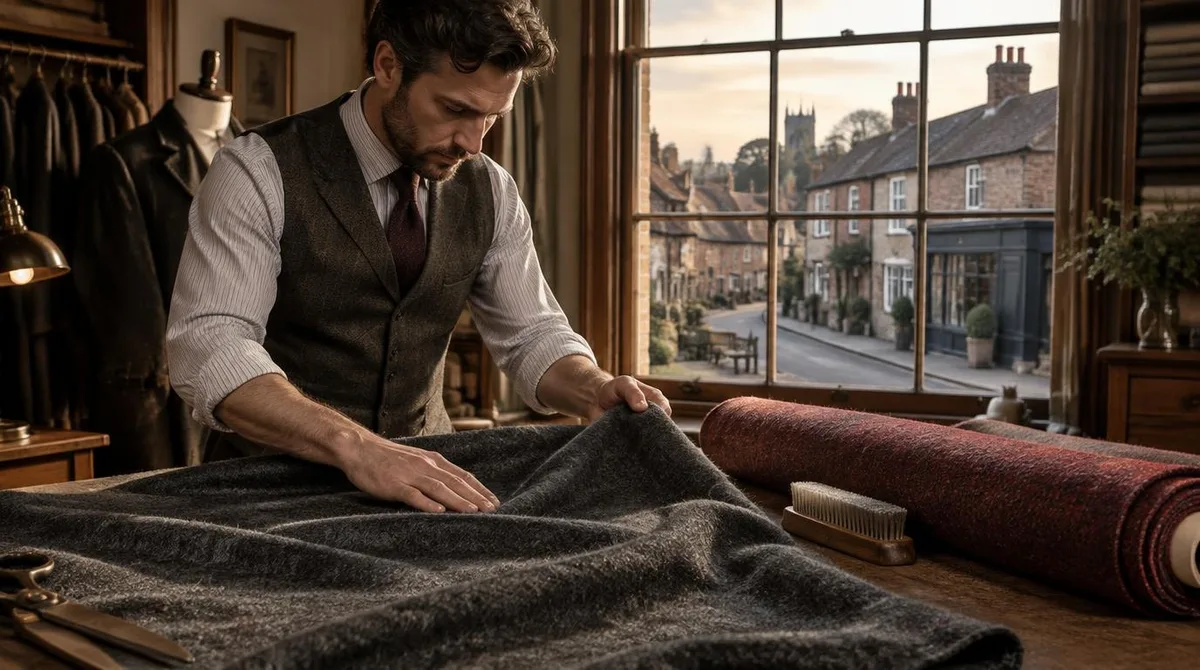
Flannels: The One Shirt That Never Leaves the Rotation
Why the brushed twill outlasts trend cycles, and what the weave weight actually decides.
Why the brushed twill outlasts trend cycles, and what the weave weight actually decides.

One model hands the factory fabric, trims and a finished price. The other keeps sourcing in-house. The difference decides who owns the margin.

Every stage between a bale of fiber and a folded shirt on the floor adds a layer of cost, and the layers are not equal.

Grids, type sizes, and quiet negotiations decide what a reader sees before reading a single word.
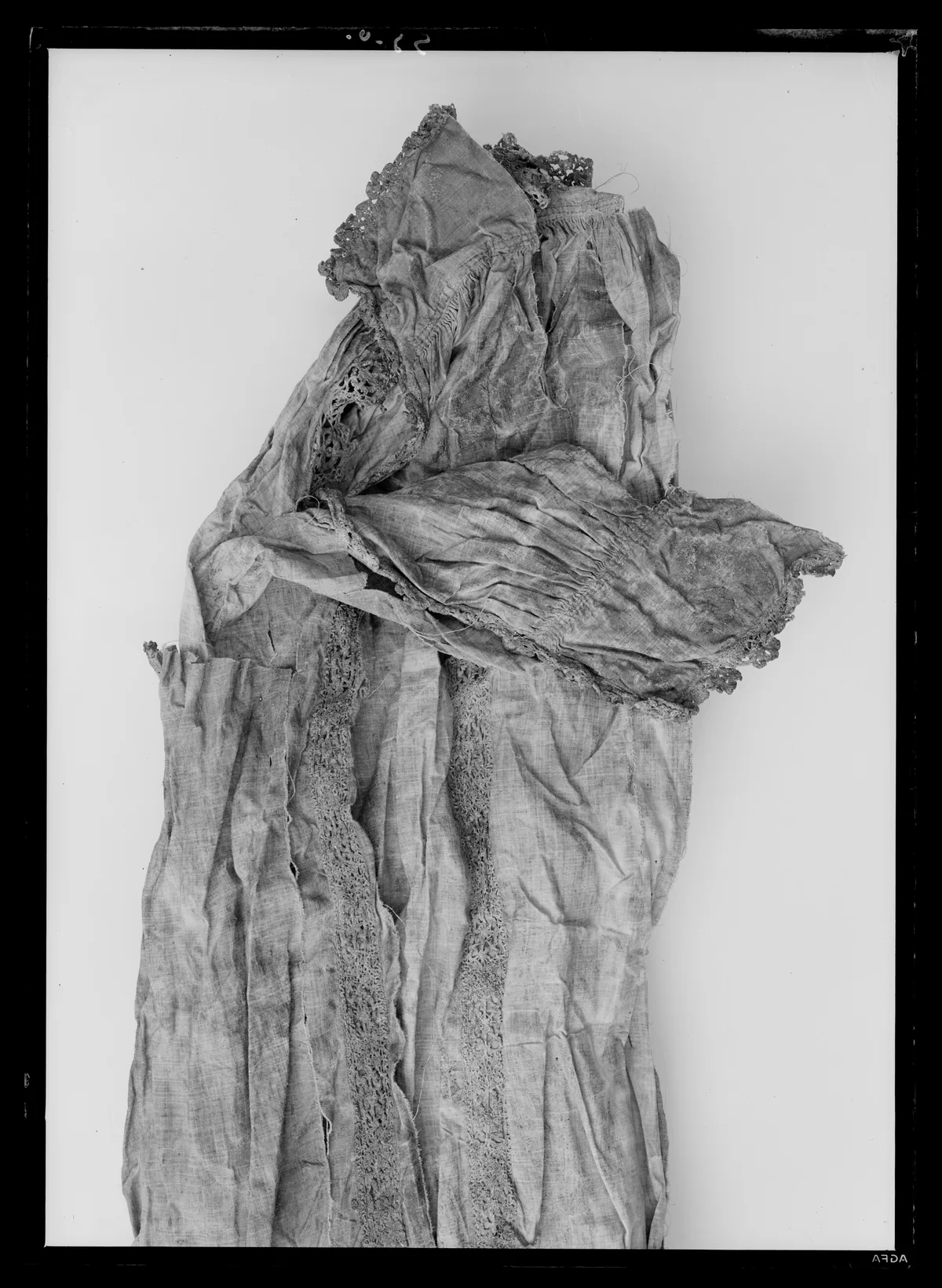
Clothes shrink because finishing leaves fabric under tension, washing lets it relax, wool felts, and heat locks the change in. Pre-shrinking gets there first.
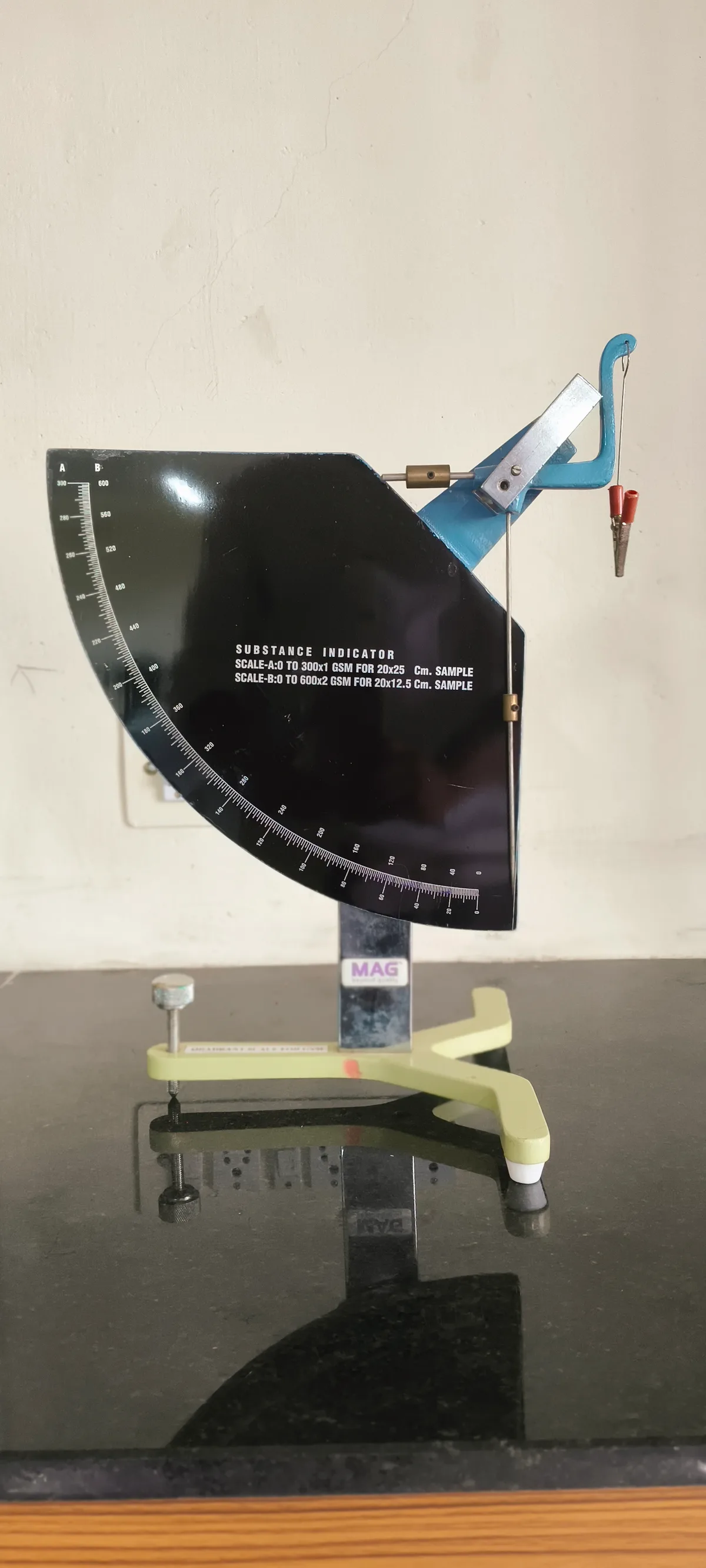
Fabric weight is measured in grams per square metre, shortened to GSM. The number signals thickness, density, strength, cost, and how a garment will wear.
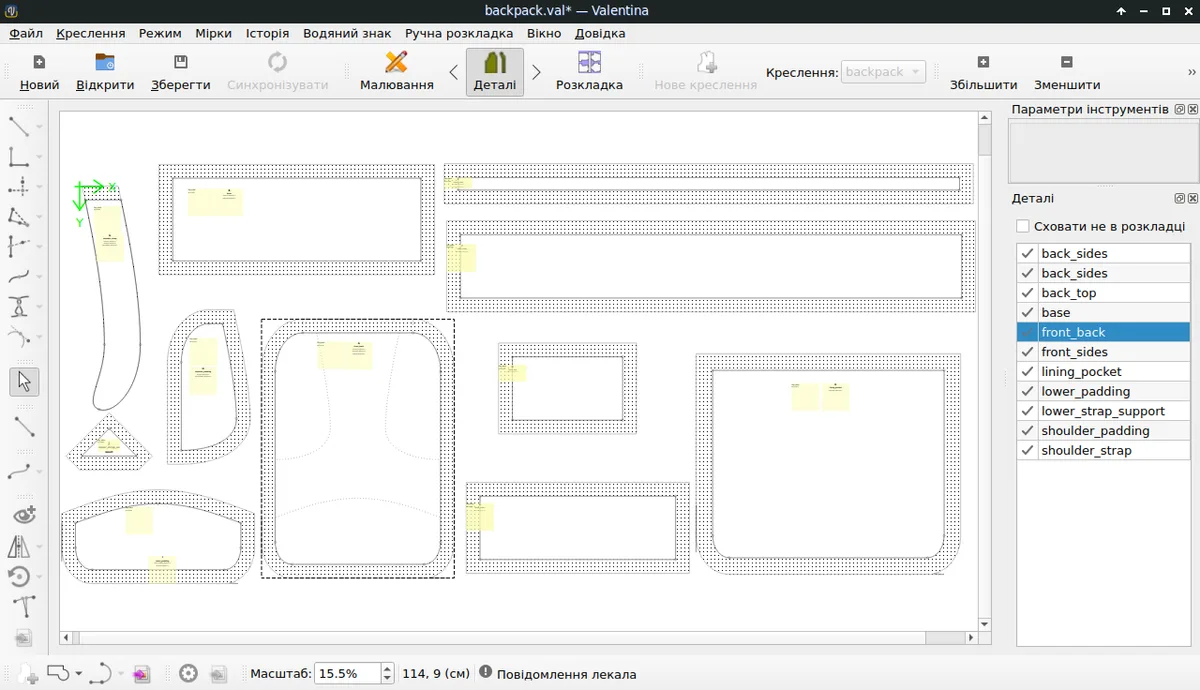
Pattern making has moved from paper tables to CAD software. Speed and grading improved, while part of the hand craft quietly faded.

Smart mirrors, body scanners and fabric recyclers are moving fashion tech out of the factory and into the fitting room.
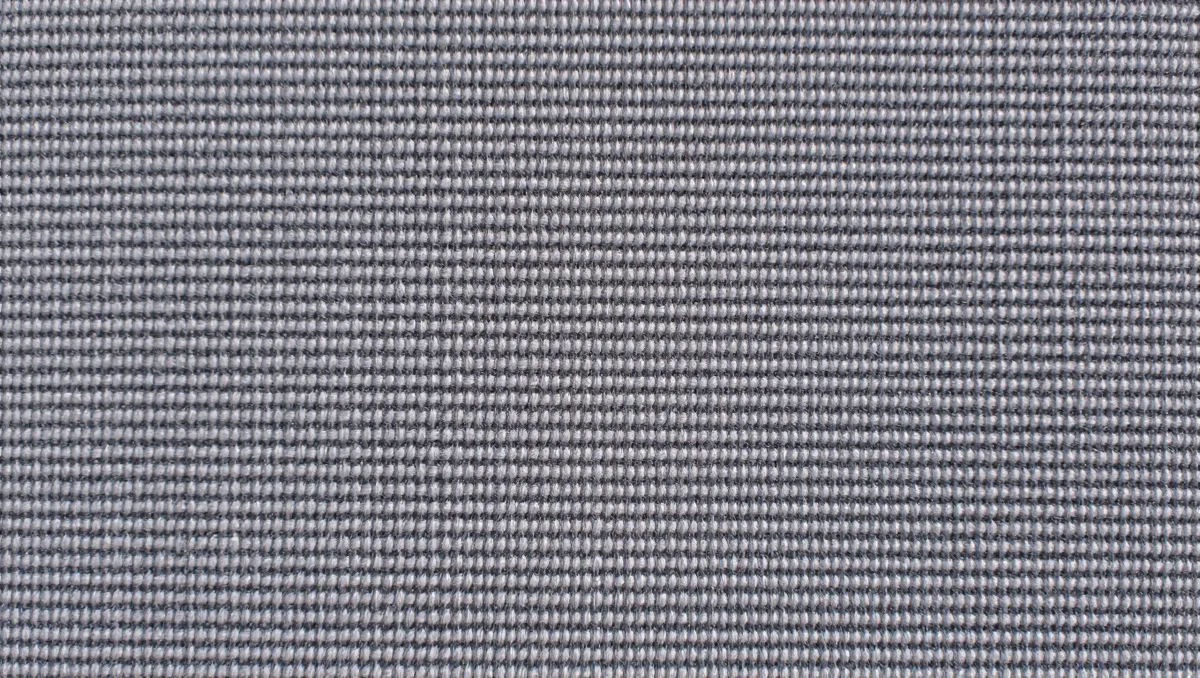
Warp, weft and bias behave like three different materials. Cutting a pattern off-grain quietly undoes the fit a designer drew.