
Topic
Garment Cost Breakdown: How a Garment's Cost Breaks Down From Fiber to Rack
Every stage between a bale of fiber and a folded shirt on the floor adds a layer of cost, and the layers are not equal.
Every stage between a bale of fiber and a folded shirt on the floor adds a layer of cost, and the layers are not equal.

A good fashion newsletter does the filtering for you. The trick is knowing which kind of filtering you actually need.

Price signals many things — durability is only one of them, and rarely the loudest.
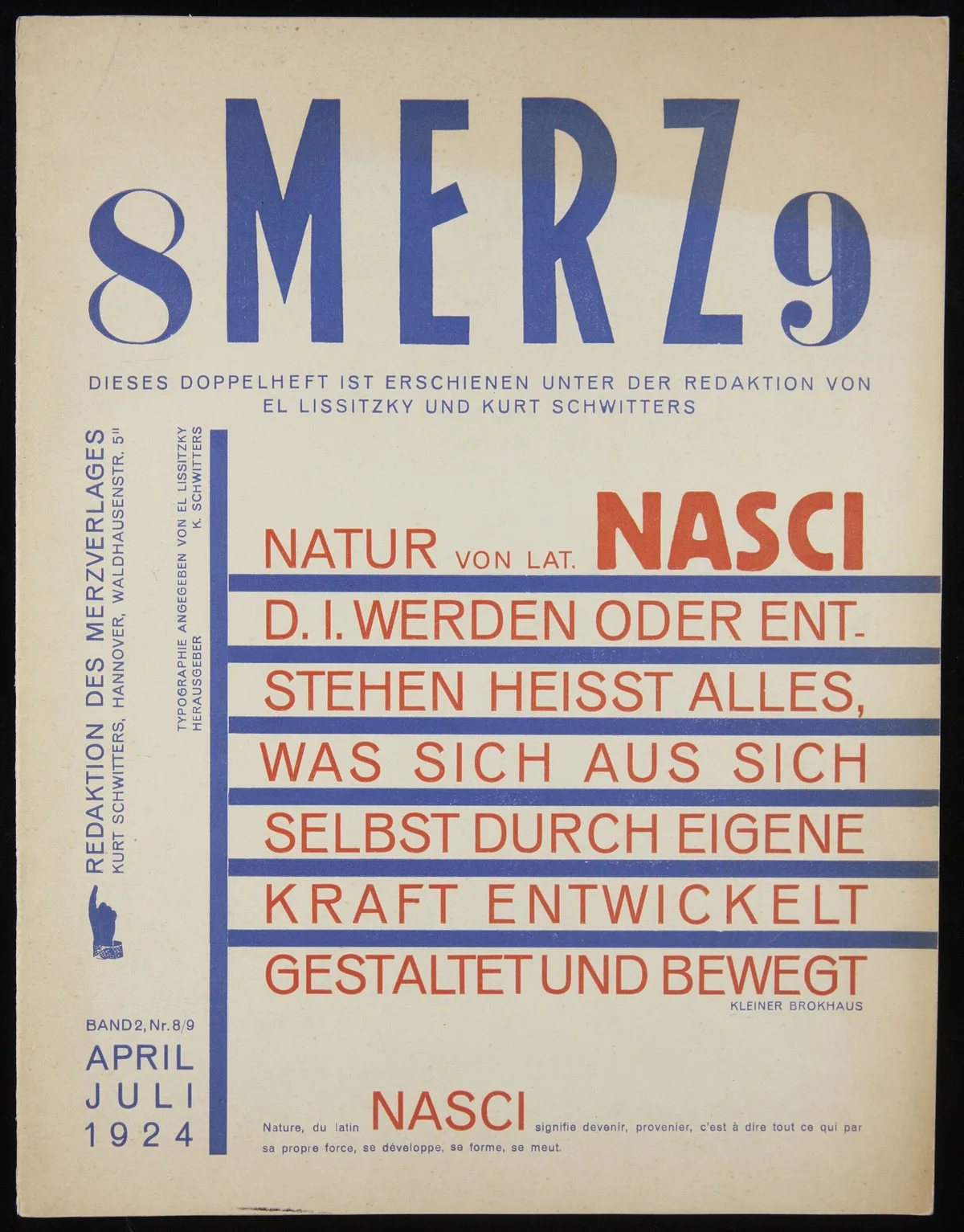
Grids, type sizes, and quiet negotiations decide what a reader sees before reading a single word.
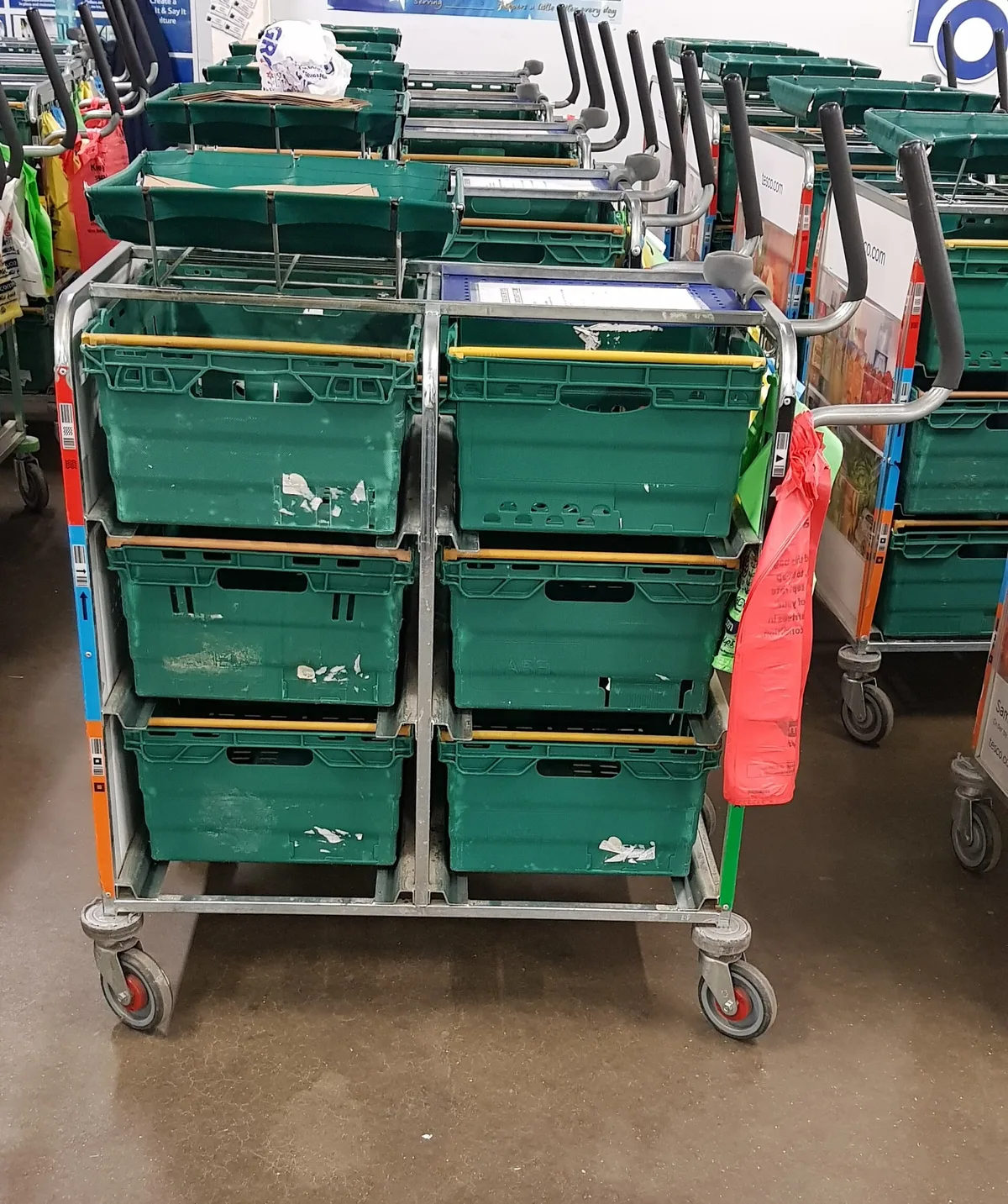
Every tap of the buy button starts a small industrial process. Here is how the pick-pack-ship pipeline works, and where each step adds cost to an order.
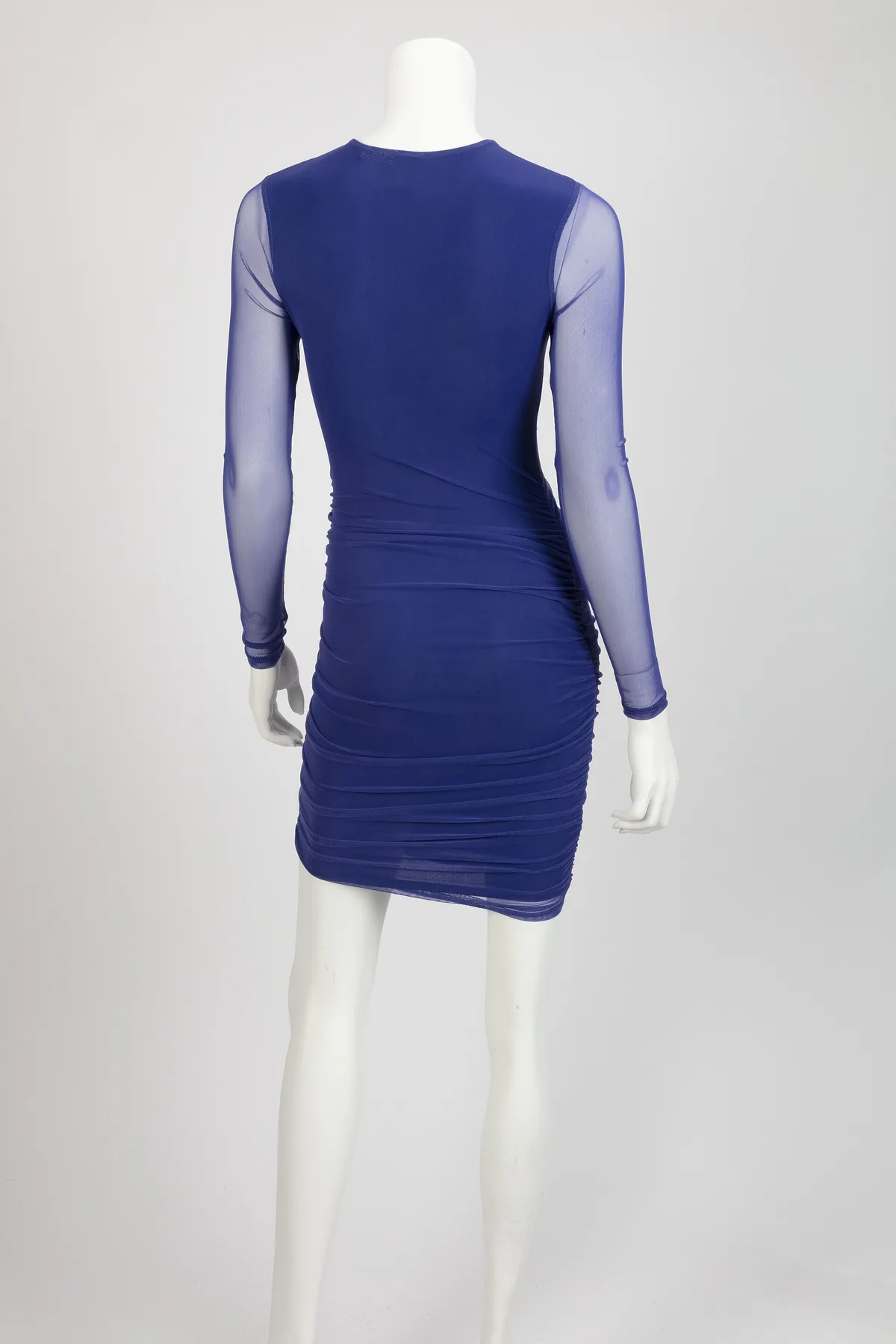
A runway show is a signal system. Here is how to separate the spectacle from the information.
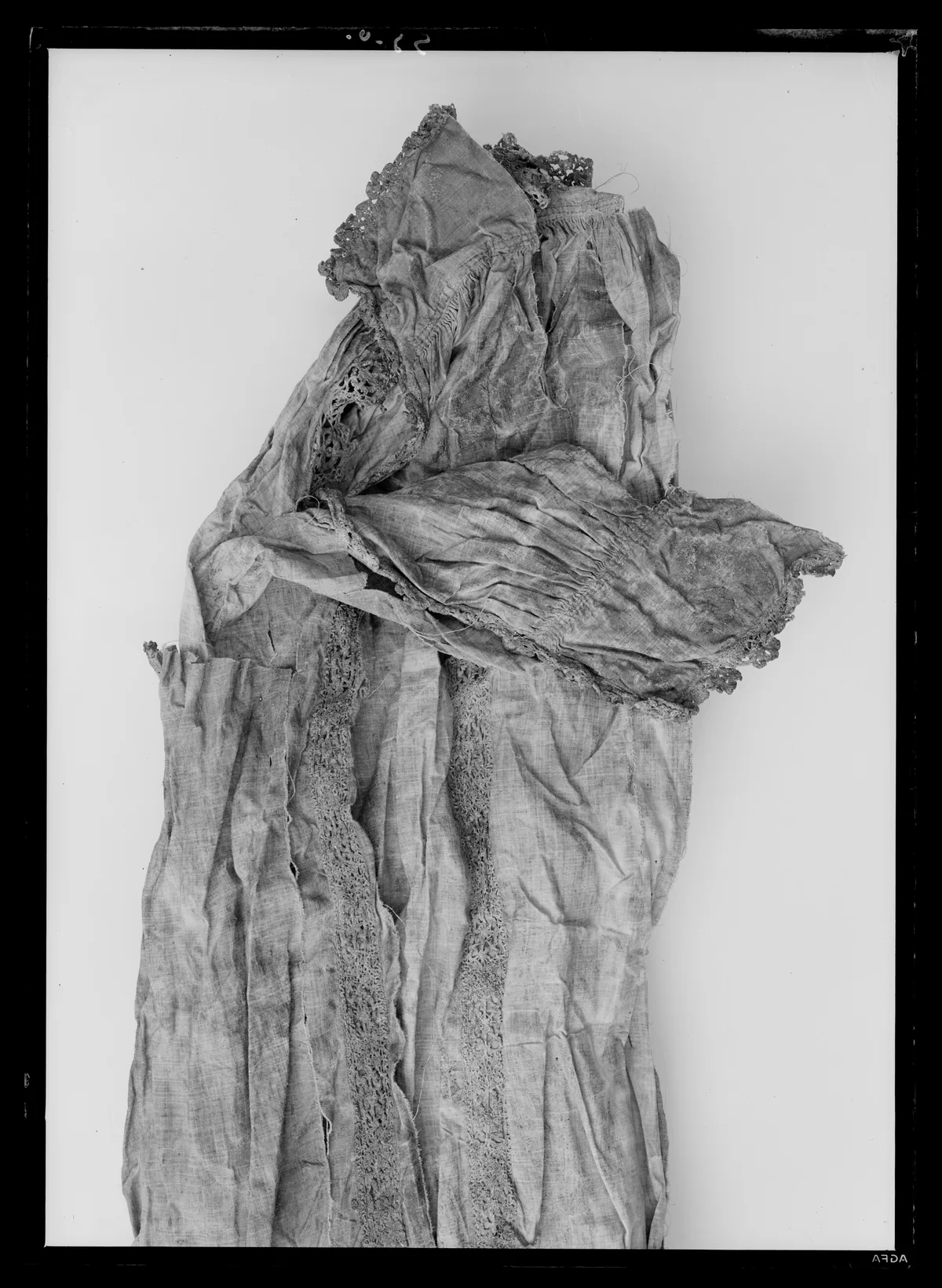
Clothes shrink because finishing leaves fabric under tension, washing lets it relax, wool felts, and heat locks the change in. Pre-shrinking gets there first.
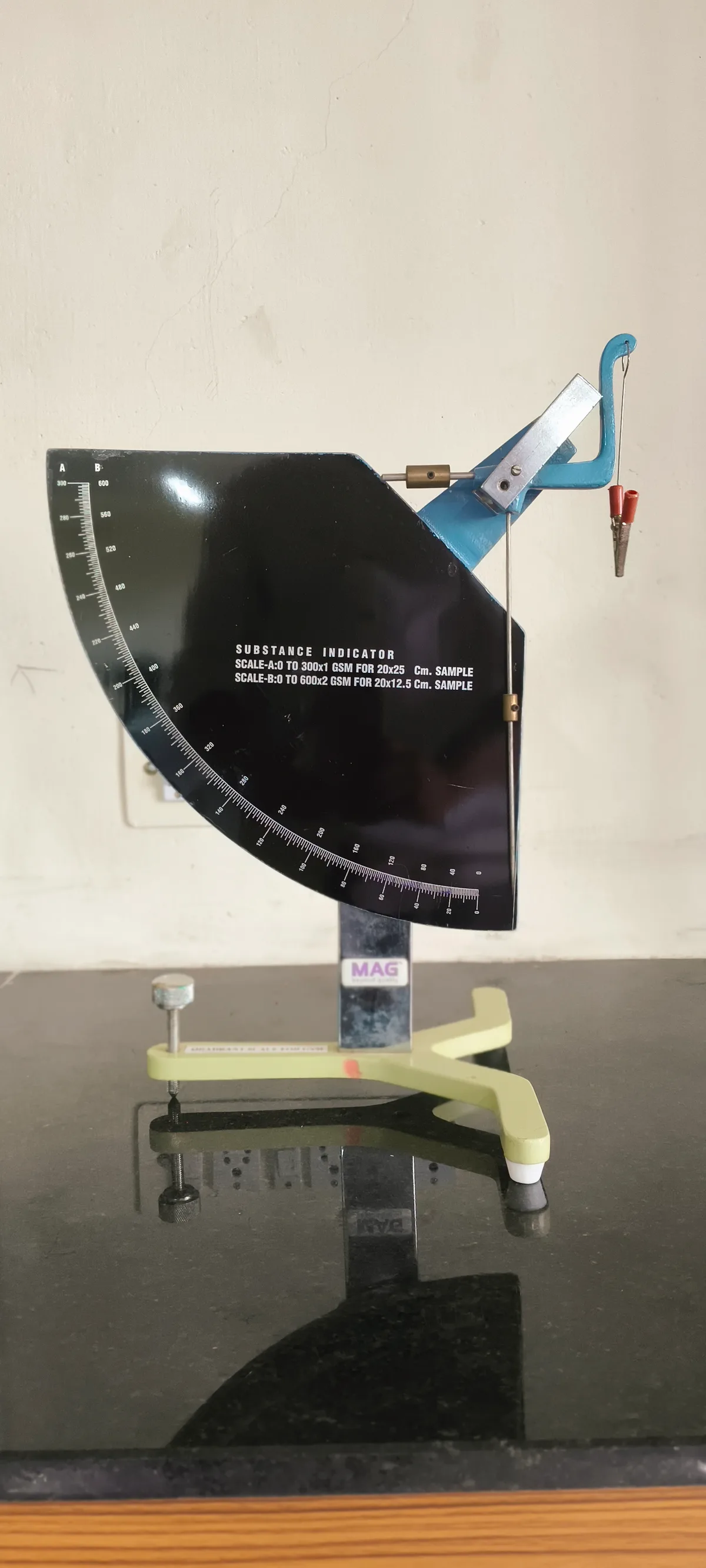
Fabric weight is measured in grams per square metre, shortened to GSM. The number signals thickness, density, strength, cost, and how a garment will wear.
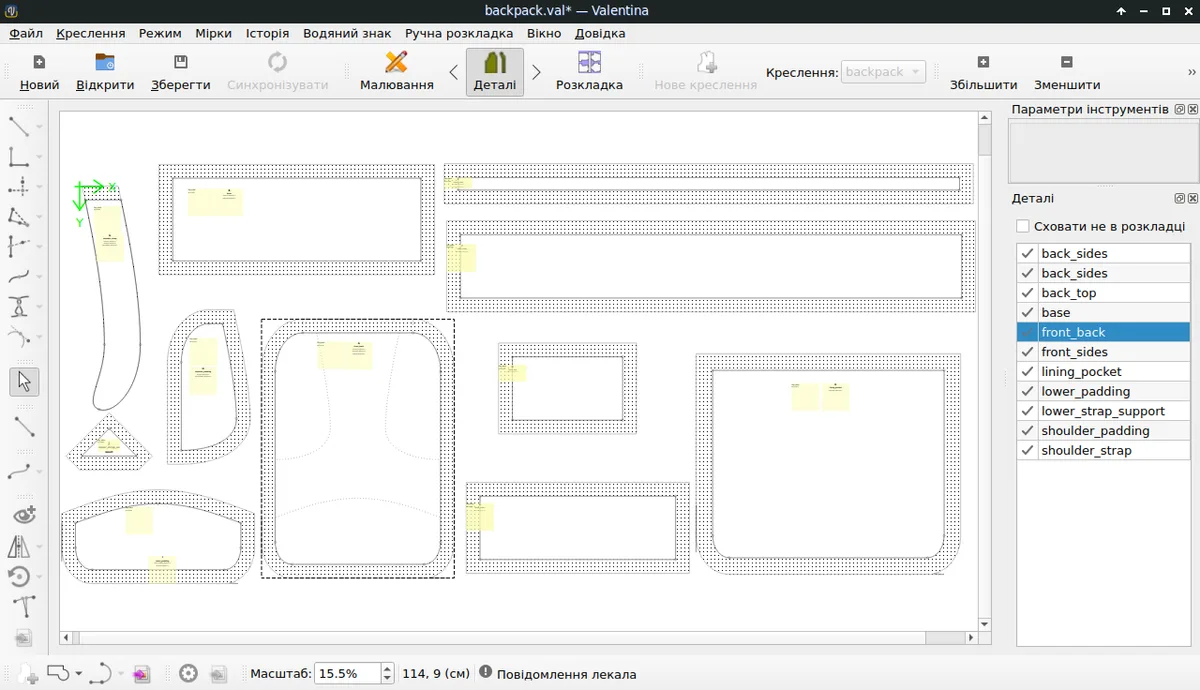
Pattern making has moved from paper tables to CAD software. Speed and grading improved, while part of the hand craft quietly faded.

Store music is never an accident. Research on background music shows how tempo, volume, and mood quietly shape how long you browse and how much you spend.