
Topic
How Fashion Journalists Actually Work, From Front Row to Filing Deadline
The show is the easy part. The work is what happens in the ninety minutes around it.
The show is the easy part. The work is what happens in the ninety minutes around it.
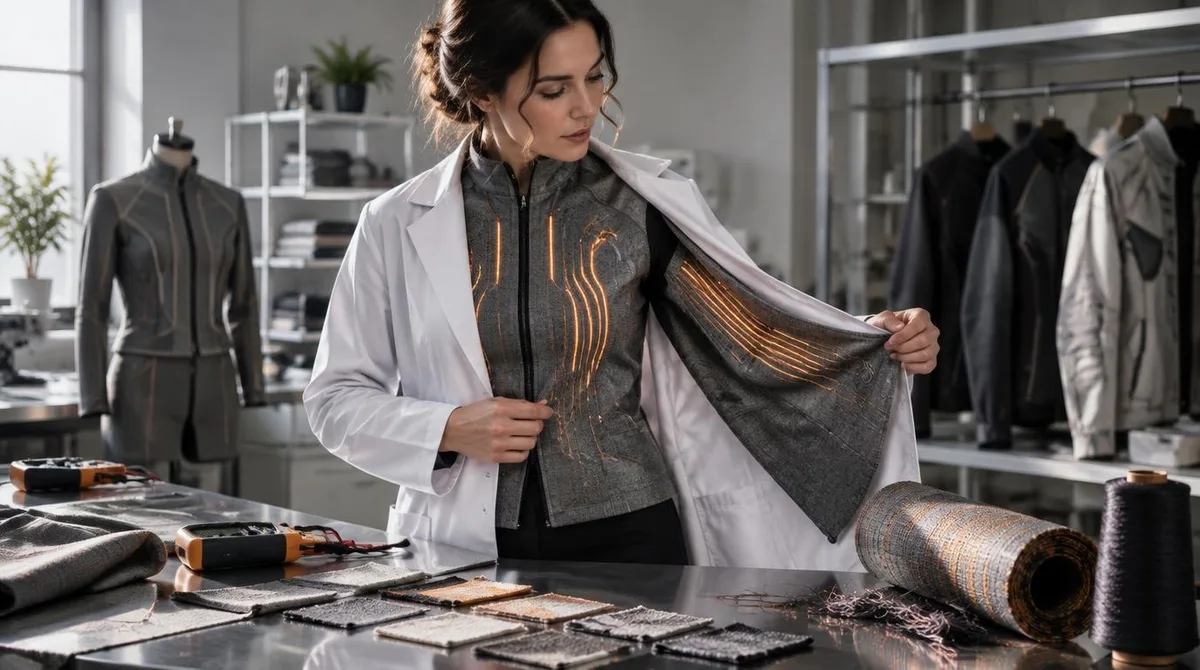
Most wearable technology stalls somewhere between the demonstration and the drawer. A maturity framework explains why.

One model hands the factory fabric, trims and a finished price. The other keeps sourcing in-house. The difference decides who owns the margin.
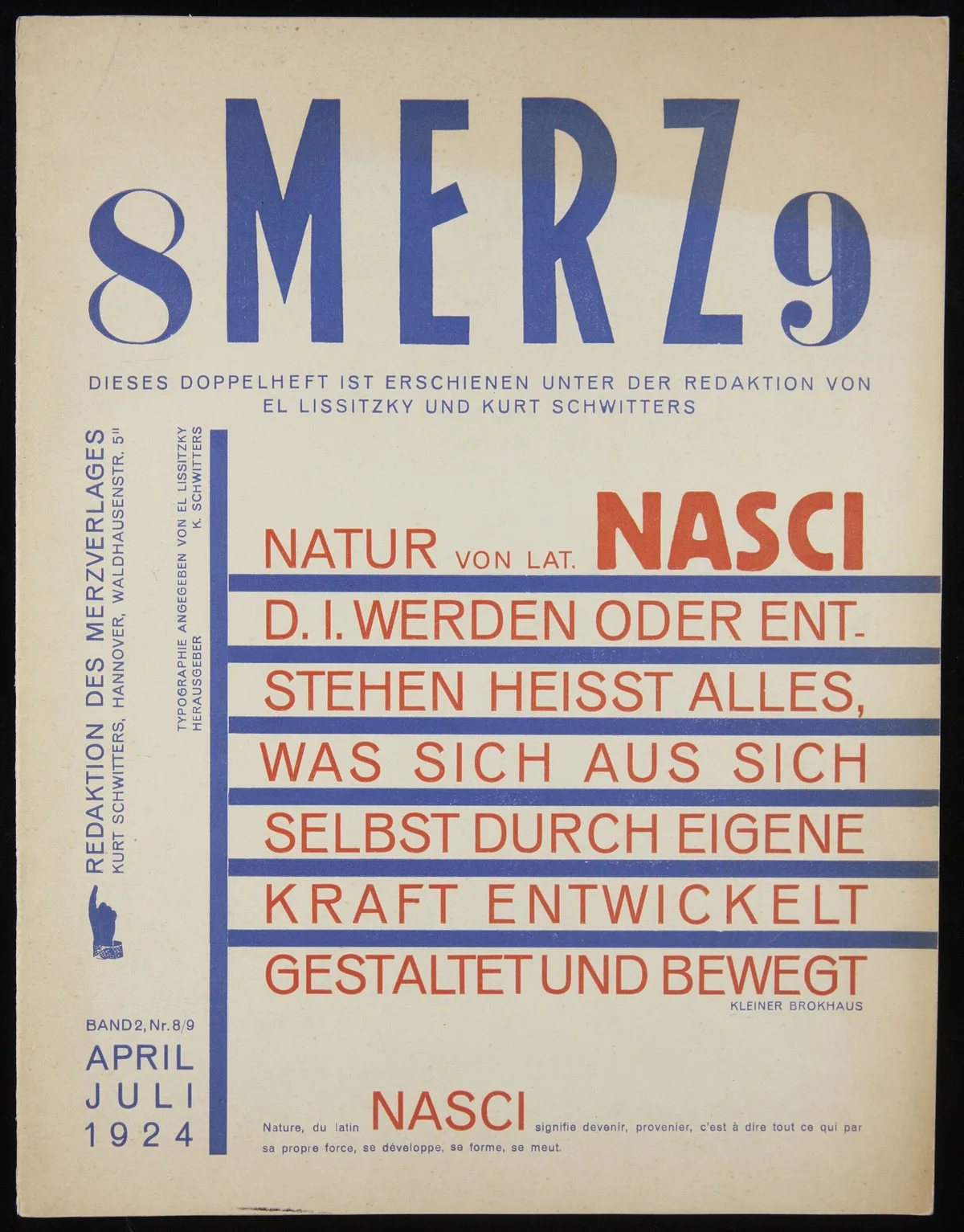
Grids, type sizes, and quiet negotiations decide what a reader sees before reading a single word.
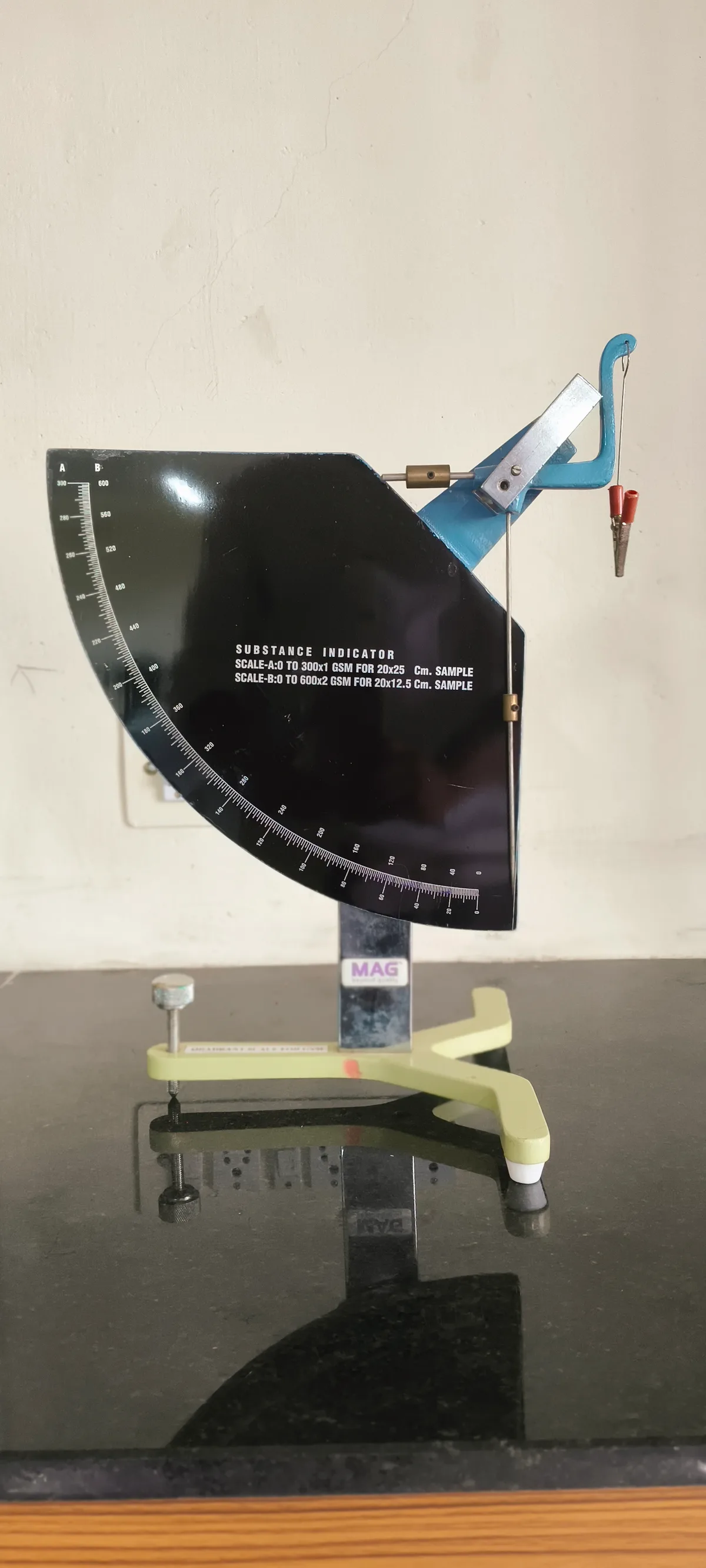
Fabric weight is measured in grams per square metre, shortened to GSM. The number signals thickness, density, strength, cost, and how a garment will wear.
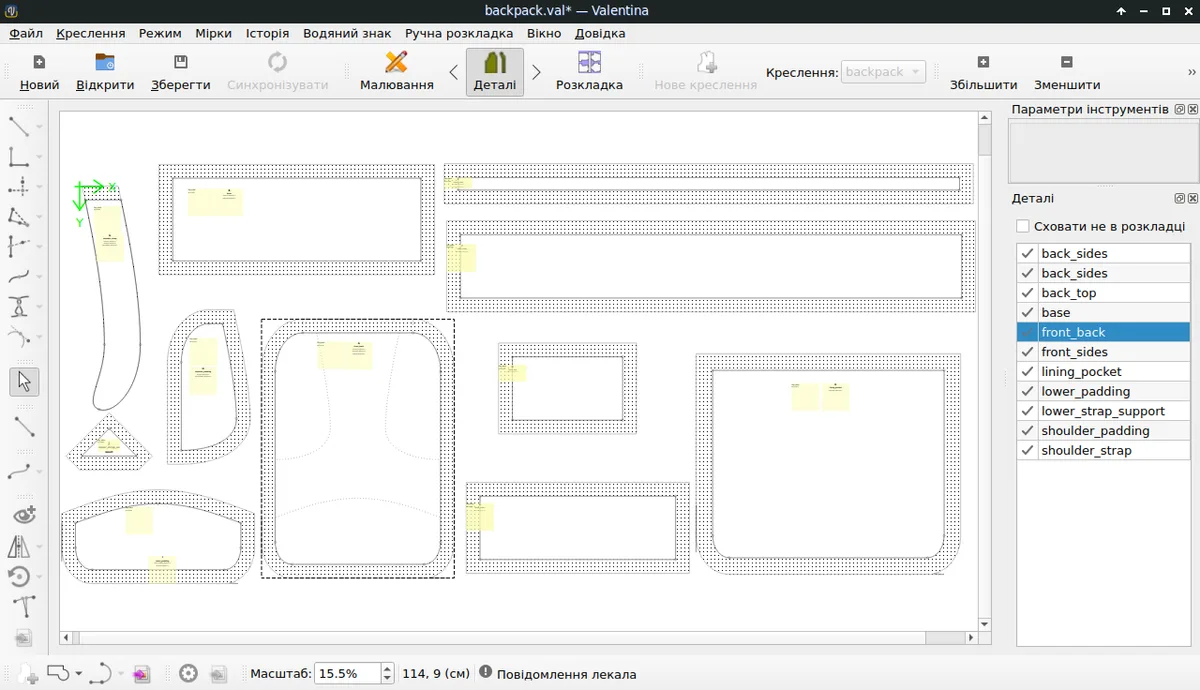
Pattern making has moved from paper tables to CAD software. Speed and grading improved, while part of the hand craft quietly faded.

Fashion's taste gate is less a single arbiter than a stack of decisions about what gets published, where it sits, and how much space it takes.
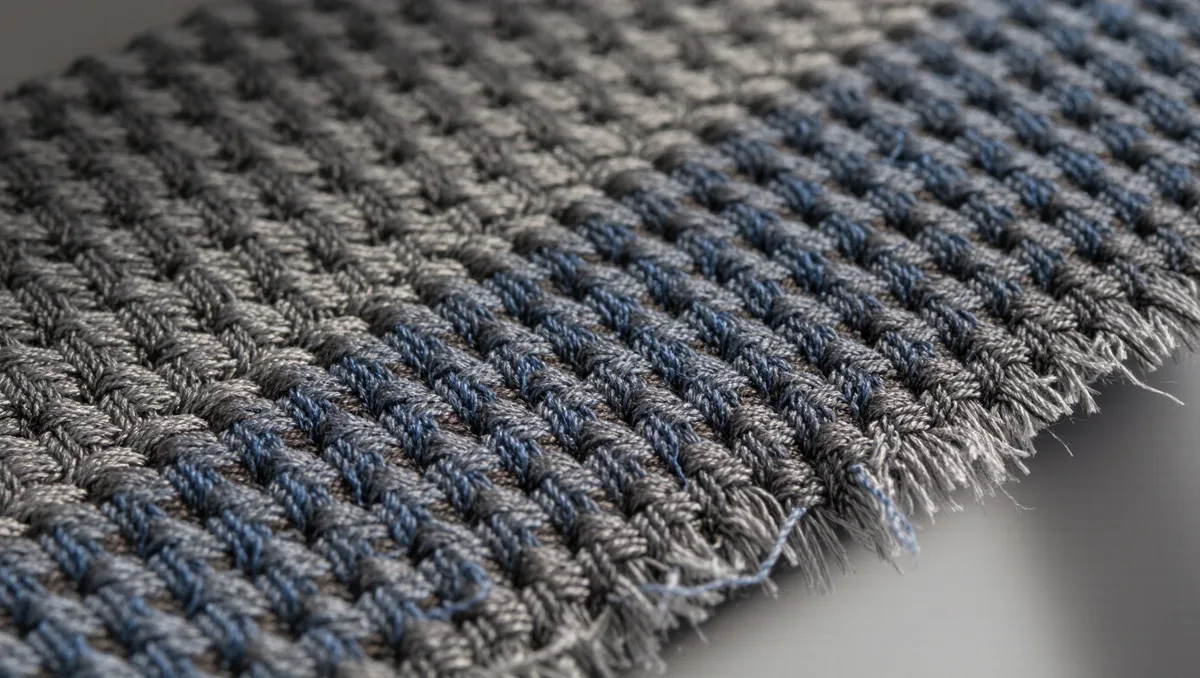
A preview capsule built from factory offcuts shows what a recycled-cotton program looks like before the pricing and scale are settled.
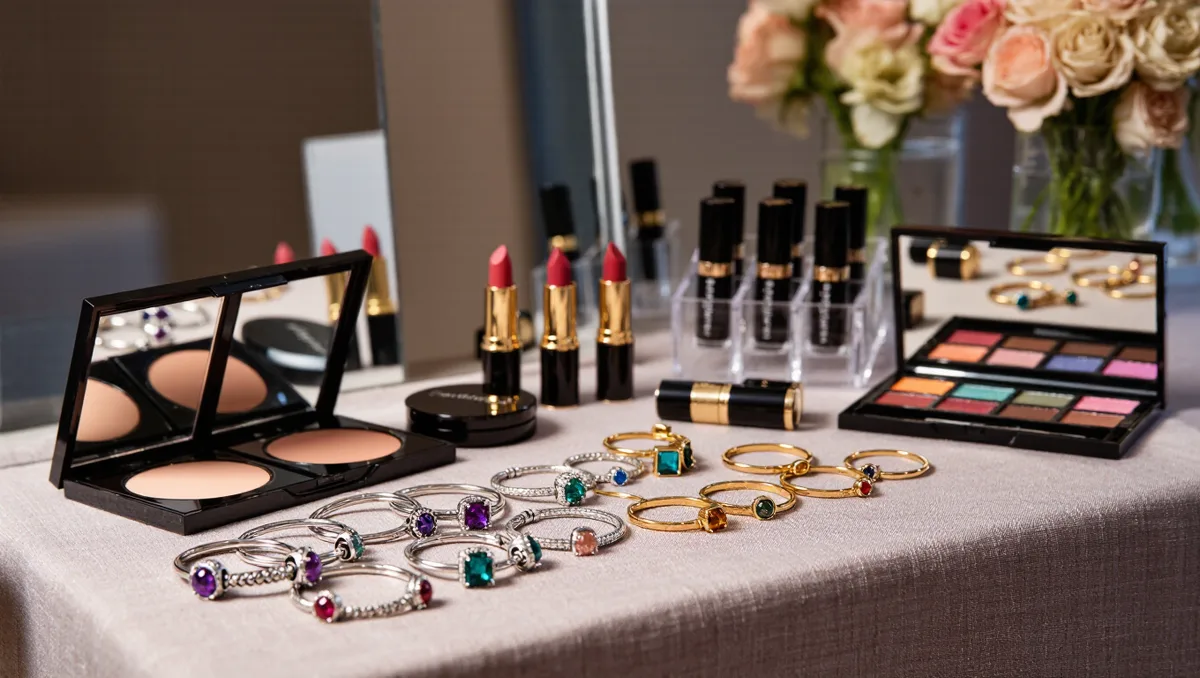
A 17-piece charm and ring collection borrows the language of makeup — and says a lot about where Pandora's design energy comes from now.
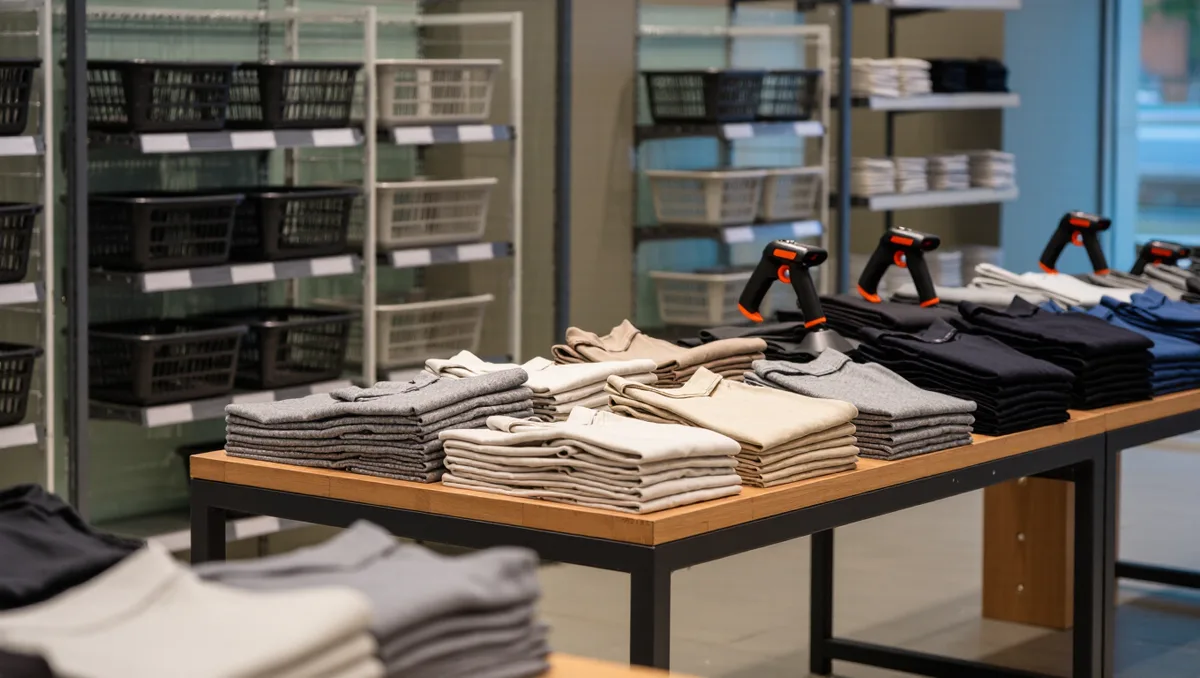
The ladder still exists, but the rungs have moved. Here is how the paths from selling to buying, merchandising, and store leadership actually work.