
Topic
How User-Centered Fashion Design Works: What a Student Golfwear Study Shows
A Miami University award-winning project on women's golfwear is a compact case study in how functional clothing actually gets designed.
A Miami University award-winning project on women's golfwear is a compact case study in how functional clothing actually gets designed.

Interlocked letters and repeating marks are not decoration. They are compressed brand systems, built to survive shrinking, weaving, and copying.

A practical map of the platforms, habits and sequencing that help adults pick up design and technology skills without a classroom.

The show is the easy part. The work is what happens in the ninety minutes around it.

A magazine's paper stock is its handshake. Here is what weight, coating, and grain actually do to the reading experience.
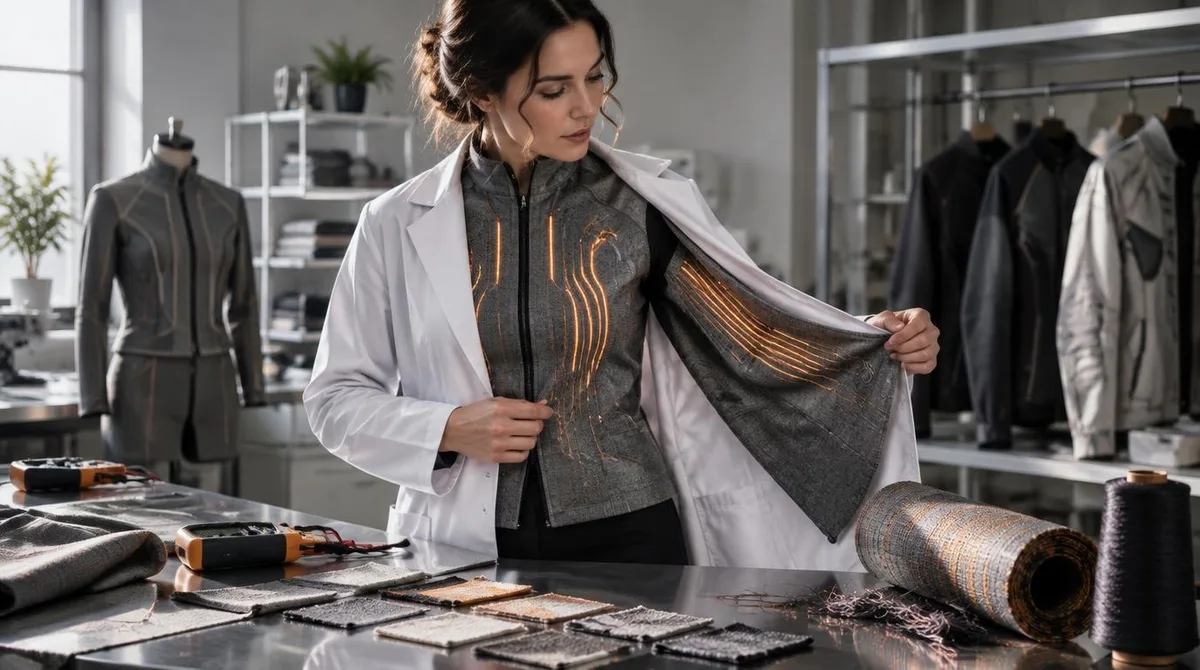
Most wearable technology stalls somewhere between the demonstration and the drawer. A maturity framework explains why.

A good fashion newsletter does the filtering for you. The trick is knowing which kind of filtering you actually need.

Every tap of the buy button starts a small industrial process. Here is how the pick-pack-ship pipeline works, and where each step adds cost to an order.
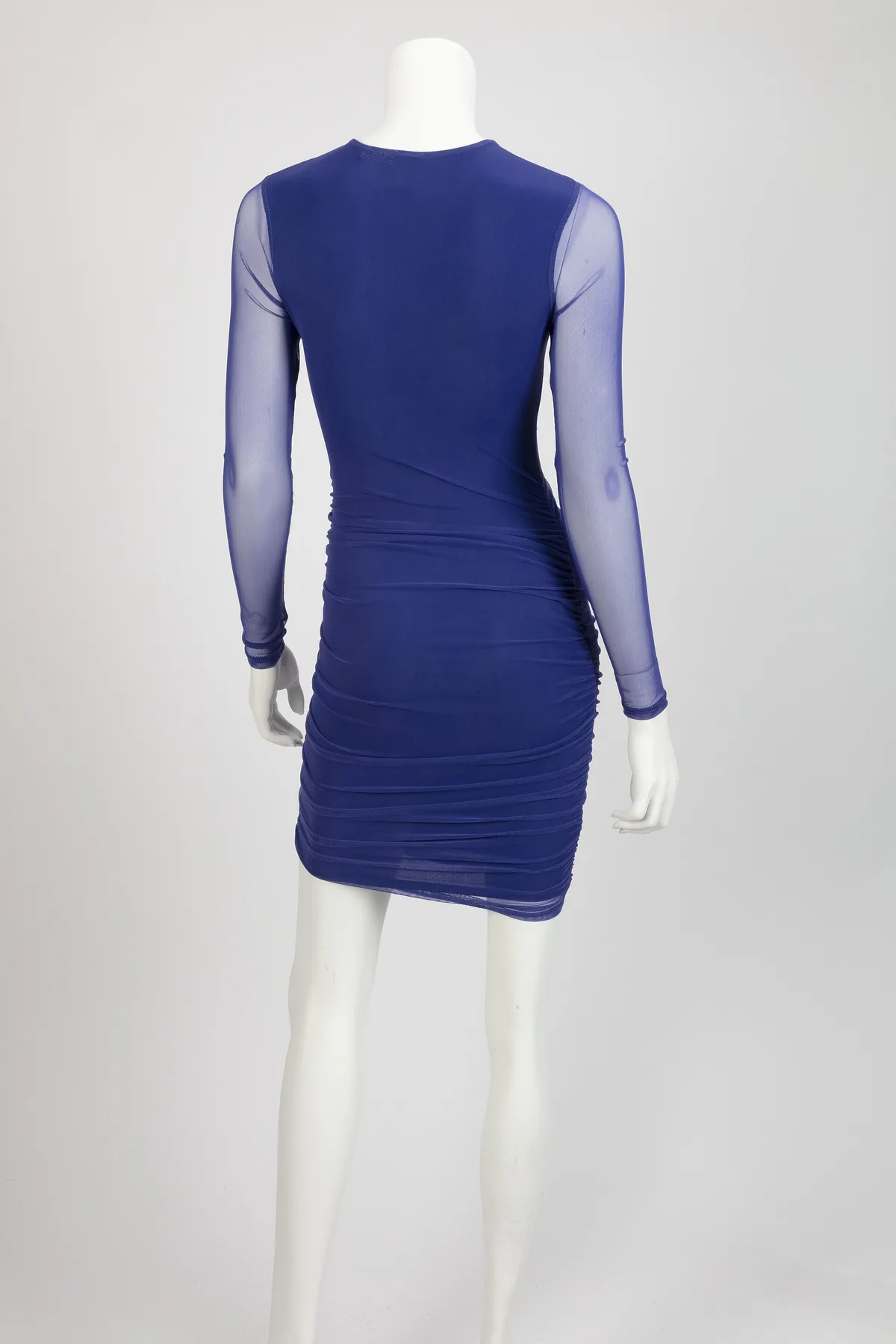
A runway show is a signal system. Here is how to separate the spectacle from the information.

Fashion's taste gate is less a single arbiter than a stack of decisions about what gets published, where it sits, and how much space it takes.