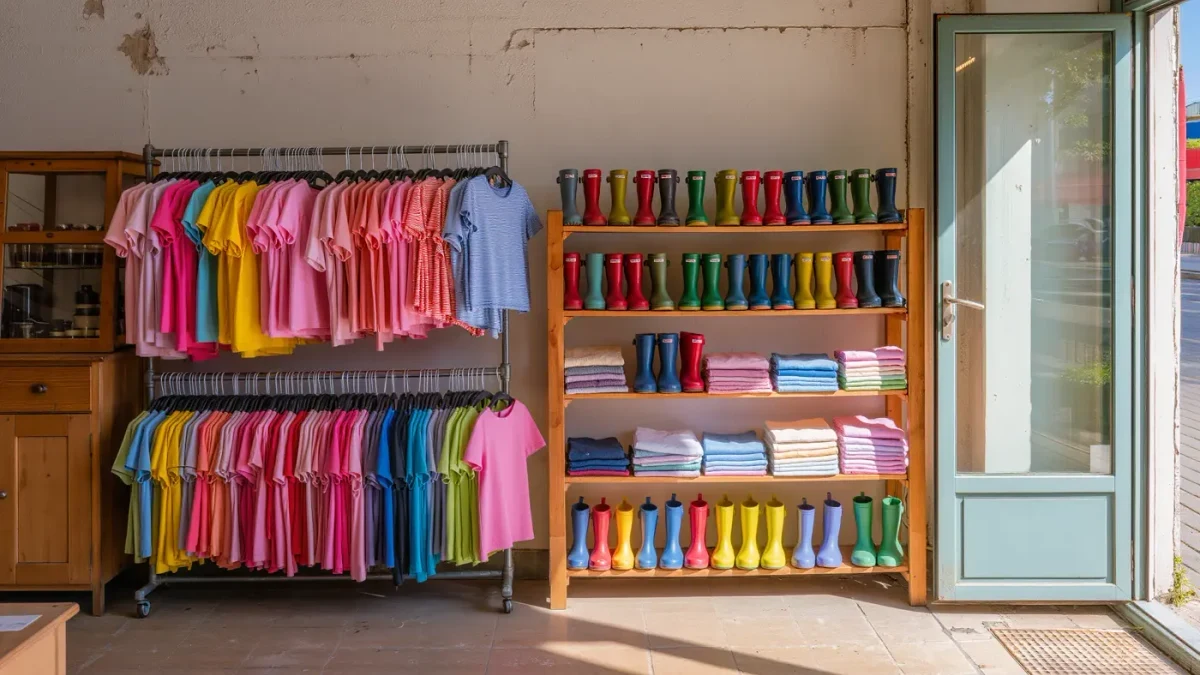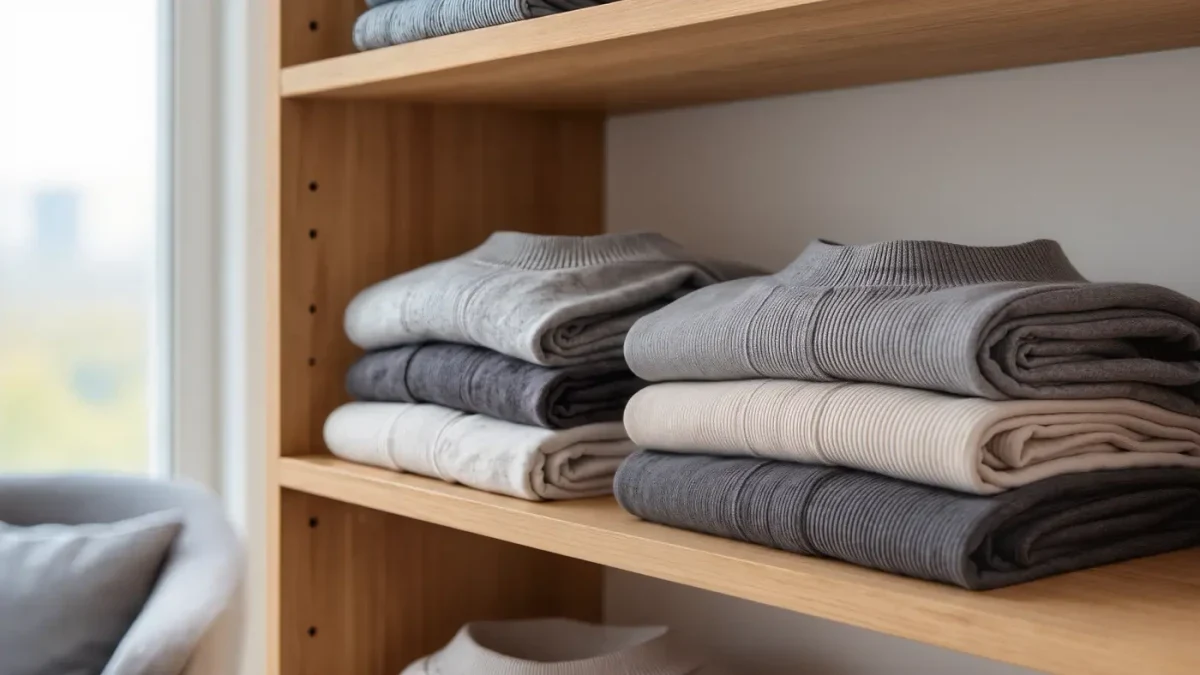
Uniqlo released a new loungewear and underwear collection in July 2026, per Hypebae's coverage of the drop, built on streamlined tanks and basics alongside the seasonal prints that anchor its lounge assortment. The release lands in a quarter where the basics category is quietly being re-specced across the market: fabric weights, fiber shares and fits of garments bought on repeat are the contested ground between brands defending price points and customers who have learned to weigh their t-shirts. The July drop is a small collection, but it sits on the category's biggest question.
Why does loungewear carry the basics debate?
Because nothing else is bought so often against memory. A lounge set's buyer is comparing the new garment to last year's garment with every wear — softness, weight, recovery after wash — unmediated by occasion or styling. Per NBC News reporting on apparel quality, major brands have thinned fabrics and shifted fiber shares to hold price points, and loungewear is where that substitution is felt first because the competition is a garment in the same drawer. When a volume retailer refreshes its lounge line mid-summer, the spec decisions inside it — grams per square meter, cotton share, rib construction — are the category's arms race in miniature.
What does a mid-year drop say about the calendar?
That the season cycle has loosened for basics. Traditional apparel calendars put lounge refreshes in fall and spring; a July drop targets the replacement purchase, when the buyer's existing set is worn out rather than seasonally wrong. Per the replacement-purchase logic that governs basics economics, this timing converts loungewear from a seasonal assortment into a consumable — bought when the old one fails, at whatever month that happens. Retailers able to capture failure-driven purchases year-round need deeper fabric programs but shallower trend risk, which is exactly the trade a volume specialist prefers.
How can a buyer compare the new spec to the old?
With the drawer as the lab. Per the detection methods quality analysts recommend, weight is the tell: an older set weighed on a kitchen scale against the new one, same size, exposes substitution faster than any product page. Fiber percentages on the labels are the second check, since they are the one spec with legal force in the United States. Recovery is the third — stretch the waistband rib of both sets and see which one comes back. Per the quality-drift pattern NBC documented, these three checks catch the great majority of silent value engineering, and all three take less time than the checkout line.
Is the basics spec war resolving?
Toward disclosure, slowly and unevenly. Per BBC reporting from late August 2026, synthetic content has become a consumer insult — shorthand for exactly the drift this article describes — which gives brands a commercial reason to advertise cotton share and fabric weight rather than bury them. Per the Cotton Incorporated comeback campaign the same coverage describes, the counter-marketing is already funded. A basics drop that publishes its fabric weight is making a testable claim; one that doesn't is asking the buyer to trust the drawer test. Through summer 2026, most are still asking.