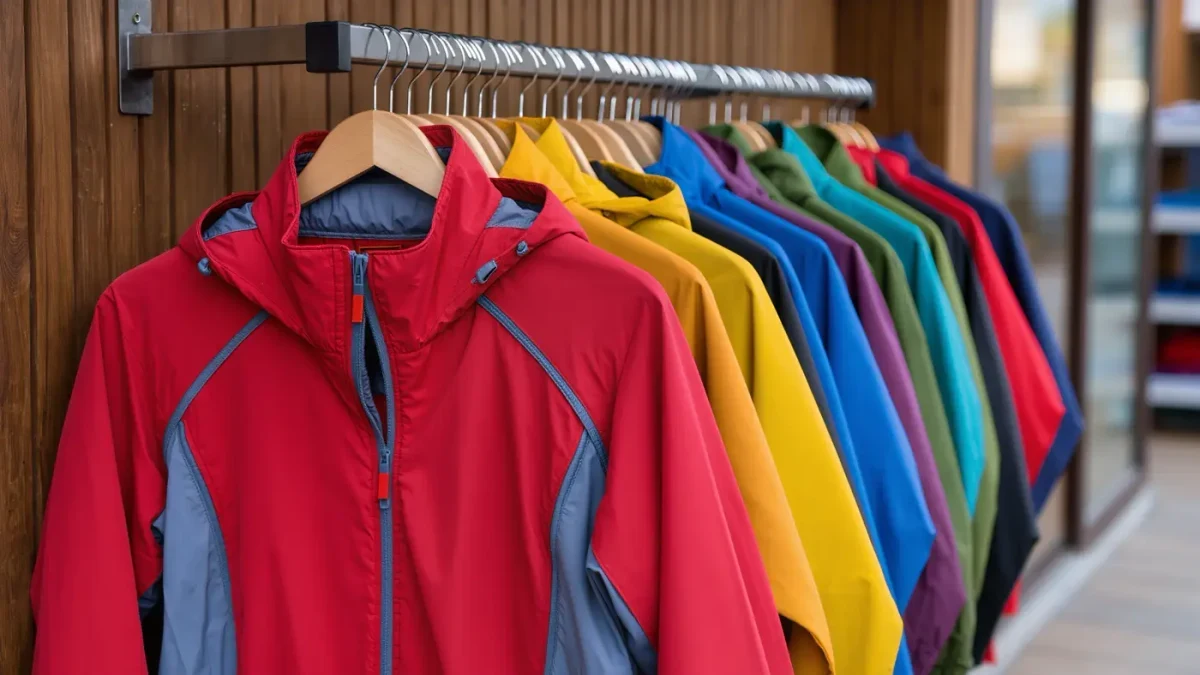
Patagonia released a spring 2026 drop of its Torrentshell rain jacket in new colorways, per the brand's seasonal rollout coverage, while promoting a redesigned Nano Puff with improved packability — iterations of two proven franchises rather than new lines. In the same season, Canada Goose presented a Summer 2026 mainline that stretches well beyond its puffer core into rainwear, t-shirts, eyewear and sneakers, per nss magazine's collection coverage. The two moves bracket the strategic question every outerwear brand faces: deepen the franchise or widen the brand.
Why iterate a jacket instead of launching a new one?
Because the franchise jacket has already paid its fit and returns tuition. The Torrentshell's block, hood geometry and pocket placement have been corrected across a decade of wear; a new silhouette starts that cycle from zero, with new grading claims and a fresh return-rate learning curve. Per the outerwear economics trade analysts describe, a re-colorway drop reactivates demand at near-zero development cost and no fit risk. The redesign of the Nano Puff follows the same logic one level up: change the packability and weather resistance, keep the fit that buyers already own and trust.
What is Canada Goose actually risking with its summer line?
Concentration of craft. Rainwear and tees are different manufacturing problems than expedition down — different mills, different operator skills, different failure modes — and a brand whose pricing power rests on a single demonstrated competence is spending that competence's credibility across categories where it is unproven. Per the Summer 2026 collection coverage, the expansion runs under creative director Haider Ackermann and is framed as year-round relevance rather than seasonal escape from a warming market. The financial logic is real: down jackets have one selling season, and the fixed costs of a brand built on them run all year.
Which strategy does the market reward?
Through spring 2026, the evidence favors the disciplined iteration at the value end and tolerates the expansion at the luxury end. Patagonia's franchise re-releases sustain full-price sell-through because the specification is the brand; Canada Goose's expansion is a bet that brand heat converts across categories before skeptics test the rainwear's seams. Per the PFAS-free transition Patagonia completed for all new styles beginning spring 2025, the franchise iterators also carry the regulatory story: finish chemistry changed across an entire line, announced with the spec, not hidden inside it.
What should a buyer take from the contrast?
A working rule for judging line extensions: count what changed beneath the surface. Patagonia's spring drop changes color and finish chemistry, both stated; the block is untouched, so the fit reviews of prior seasons still apply. A luxury brand's first rain jacket changes everything at once — pattern, mill, operator base — so no prior evidence transfers, and the buyer is the test population. Per the size-and-returns arithmetic that governs apparel economics, being an early adopter of an unproven block means joining a grading experiment. The staple drop and the stretch launch can sit on the same shelf, but they are not the same kind of purchase.