
Topic
The Editors Who Define What We Wear, and How the Gate Actually Works
Fashion's taste gate is less a single arbiter than a stack of decisions about what gets published, where it sits, and how much space it takes.
Fashion's taste gate is less a single arbiter than a stack of decisions about what gets published, where it sits, and how much space it takes.
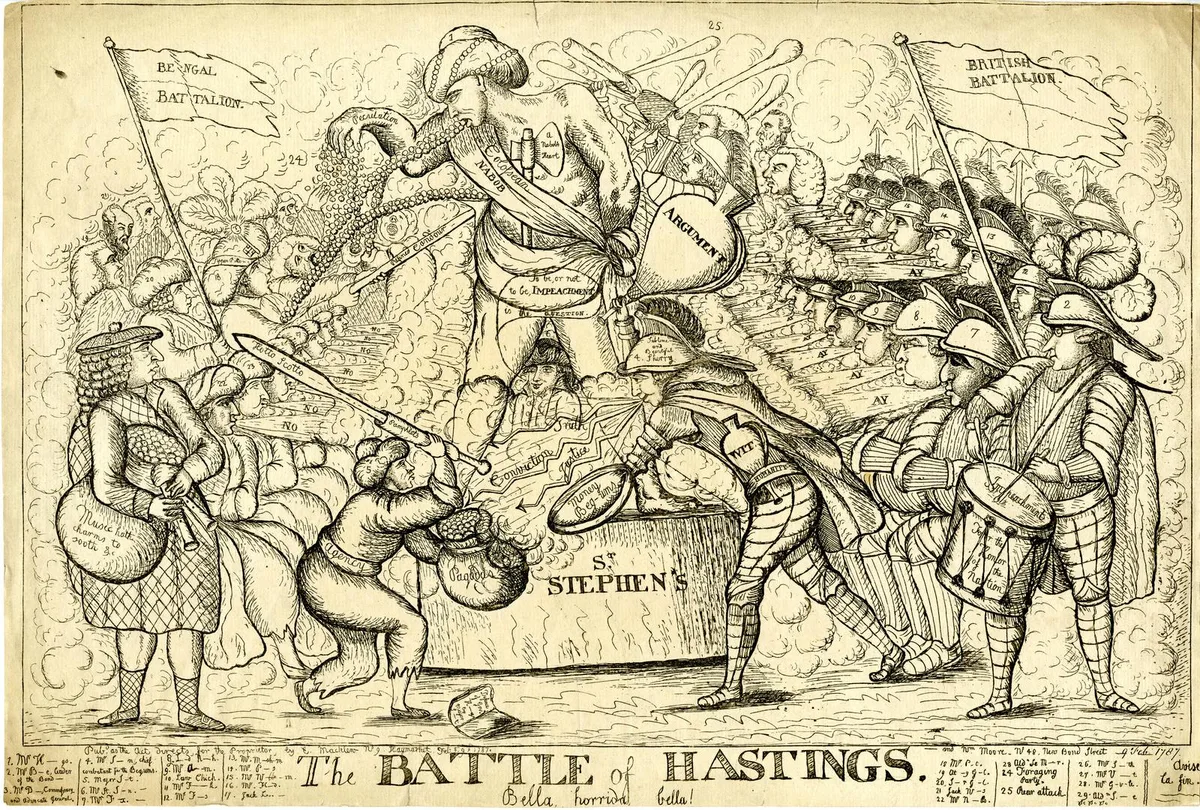
A runway seat is a seating chart of the industry itself — and the invitation tells you which list you're on.
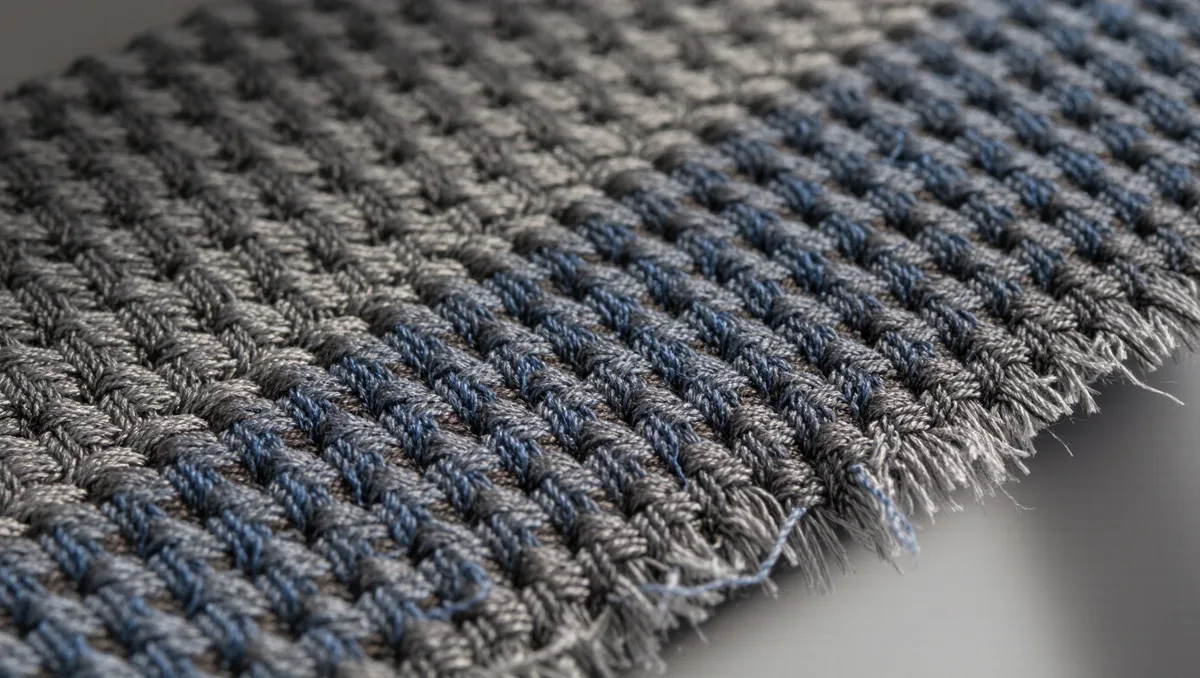
A preview capsule built from factory offcuts shows what a recycled-cotton program looks like before the pricing and scale are settled.

Concours judging has always measured the machine. A new award at Salon Privé measures the person standing next to it.
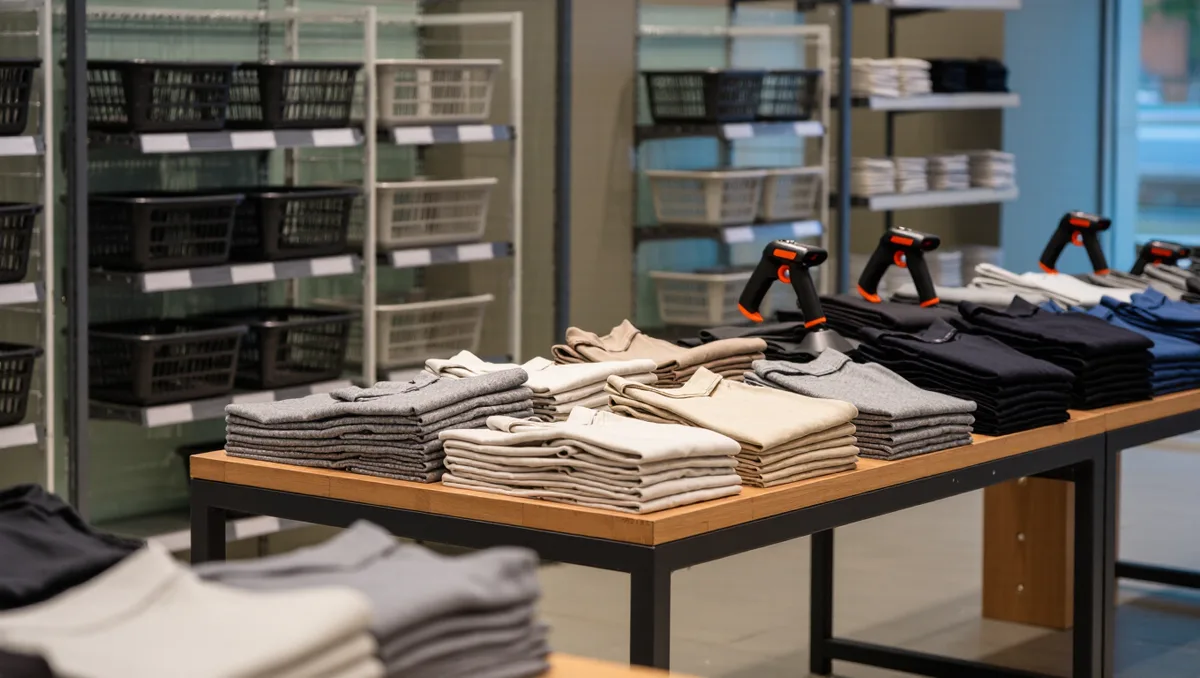
The ladder still exists, but the rungs have moved. Here is how the paths from selling to buying, merchandising, and store leadership actually work.

Smart mirrors, body scanners and fabric recyclers are moving fashion tech out of the factory and into the fitting room.
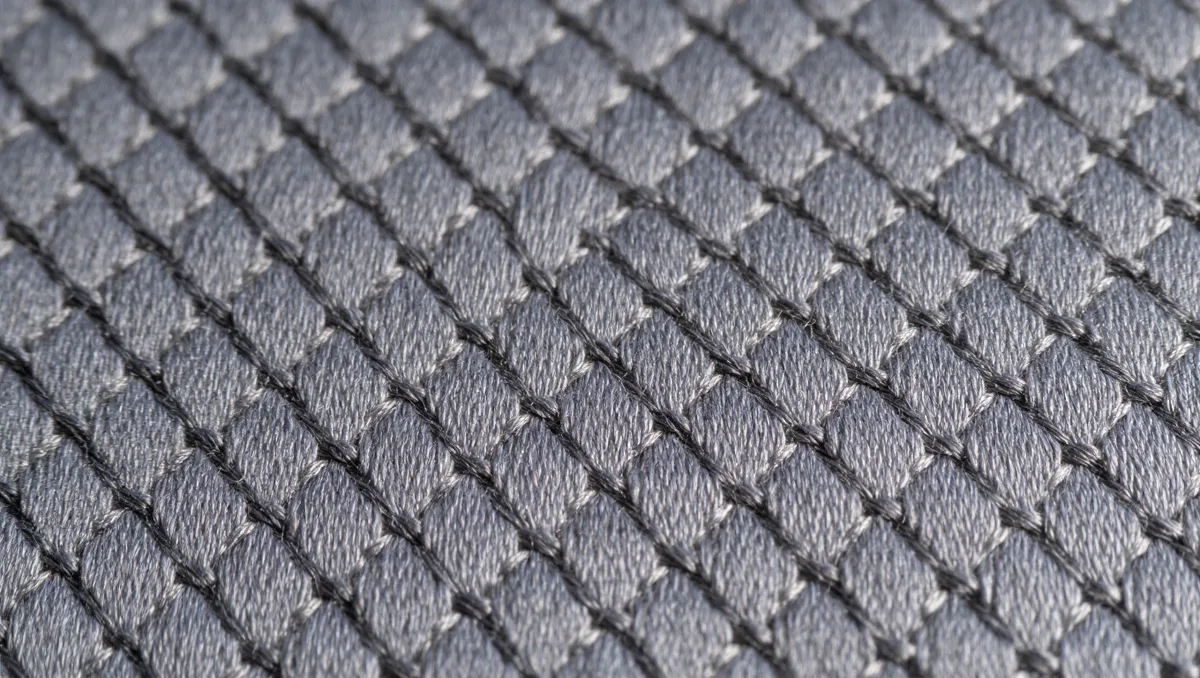
A garment made of pixels never touches a body. That changes what design, ownership, and getting dressed mean.

One SKU, three shelves, and a reconciliation problem that never fully goes away.

How designers weigh garment type, cost, durability, accessibility, and looks when picking garment closures.
Warp, weft and bias behave like three different materials. Cutting a pattern off-grain quietly undoes the fit a designer drew.