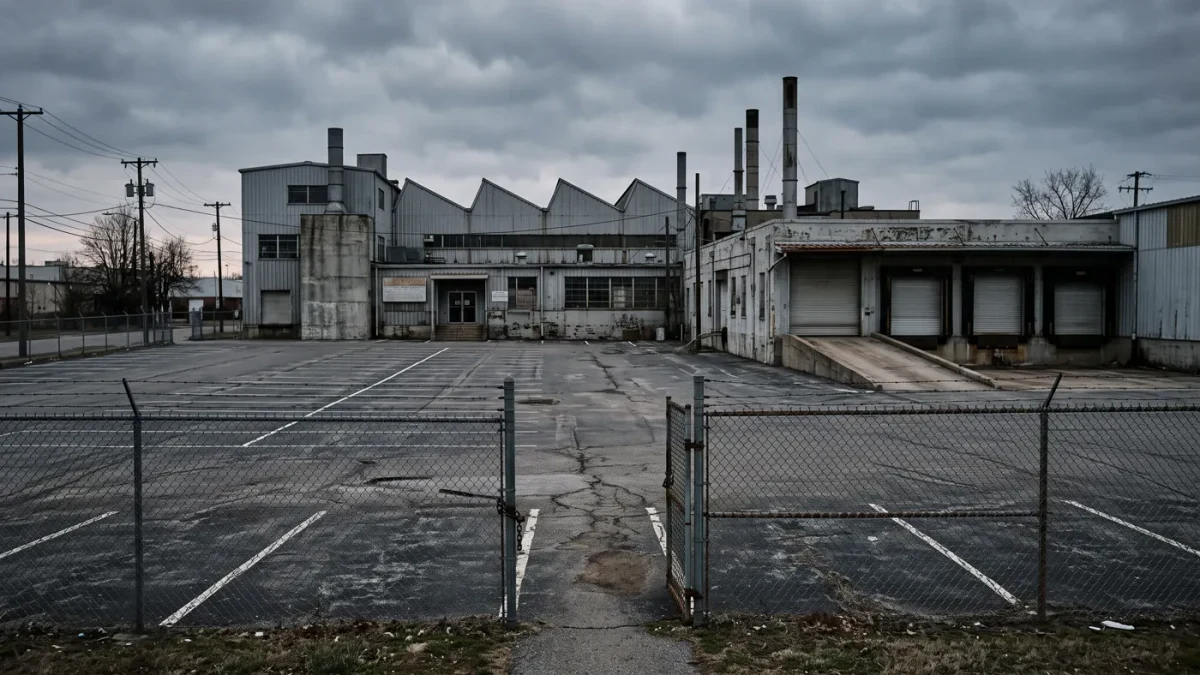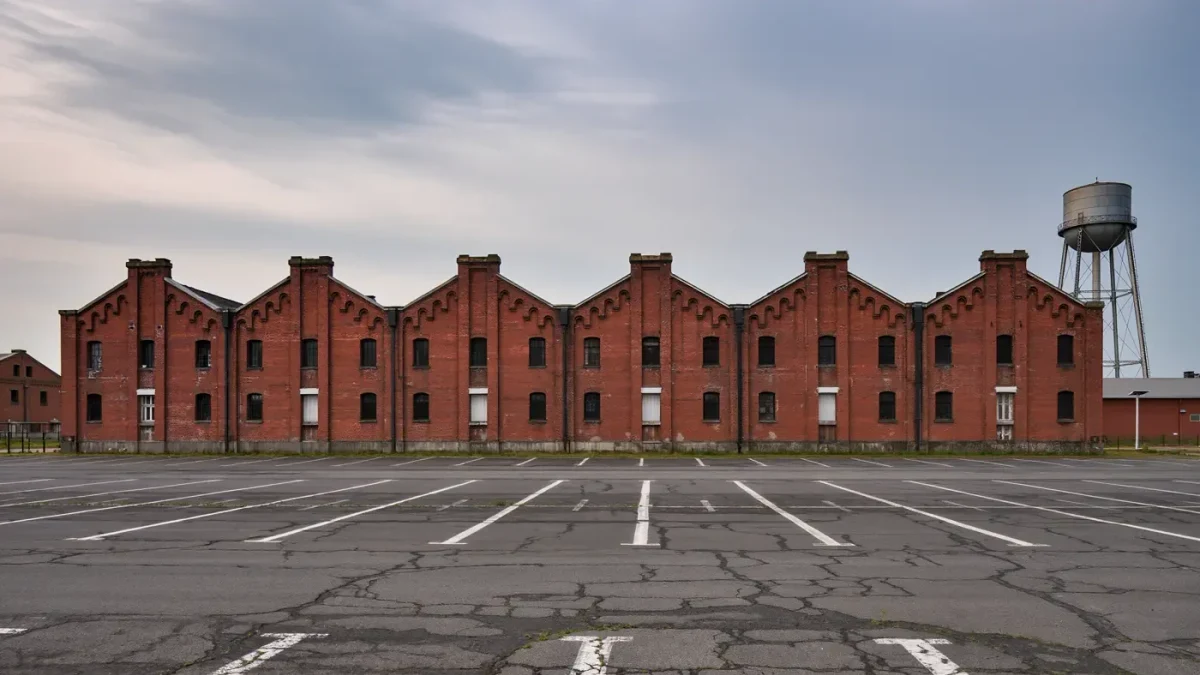
A textile plant in Union County, South Carolina will permanently close, with layoffs of more than 120 employees beginning April 3, 2026, per the WARN notice the company filed and local television reporting on it in February. The closure follows the region's familiar script — a WARN filing in winter, a spring shutdown, a county losing a tax base and a workforce losing jobs measured in decades of tenure. Per the federal notice requirements, the document is public months before the doors close, which makes the mill closure the rare economic event that can be read in advance by anyone willing to check the filings.
What does a WARN notice actually contain?
Enough to model the regional impact. The notice names the employer, the site, the number of affected employees and the first date of separation, per the Worker Adjustment and Retraining Notification Act's requirements for mass layoffs. Per the February report, the Union County filing checks each box: permanent closure, 120-plus employees, April 3 start. The statute does not require the reason, which is why closure notices are precise about headcount and silent about cause — the cause usually lives in the parent company's market explanations, or nowhere. For county planners, the headcount and date are the load-bearing facts; everything else in a closure story is commentary.
Why does the South keep losing textile plants?
Because the South is where the remaining plants are. Per the industry's closure record compiled by trade and regional press, the past several years took Elevate Textiles' Burlington finishing plant with 150 jobs, Gildan's Salisbury facility with 250, and two Milliken plants — nearly all in the Carolina corridors where textile employment concentrated after the first offshore wave. The survivors are specialty and technical mills; the casualties are commodity lines competing against imported fabric that benefits from the same low-cost structures that moved garment sewing overseas decades ago. Per the domestic industry's own advocacy, trade loopholes accelerate the exits; per the import data, the pressure direction has not changed through 2026.
What happens to a mill town afterward?
A long, documentable tail. Per the employment patterns in closure coverage across the Carolinas, displaced textile workers face a regional labor market where the next-largest employers pay materially less, and retraining programs serve a fraction of those eligible. The town's fiscal side runs on the plant's tax contribution and the payroll it circulated; both end on the separation date the WARN notice named. Per the regional reporting tradition that follows these closures, the plant's final day is a news story and the following decade is not — which is why the filings, unglamorous and unquoted, remain the only complete record of how much capacity a region actually lost.
Why should a clothing reader care about 120 jobs?
Because domestic capacity is an option that only exists while the plants do. Per the sourcing constraints brands report, the domestic mill base that remains is booked months out for specialty fabrics, and every closure narrows what an American brand can source without going overseas — raising lead times, minimums and freight for whatever survives onshore. The Union County closure removes 120 positions from that base. Per the arithmetic of the WARN record through the first half of 2026, the base is shrinking faster than it is being replaced, and the option quietly expires with each filing.